10 Essential Factors to Consider When Designing Your Custom Built Home: A Complete Custom Home Design Guide for Planning Your Dream House
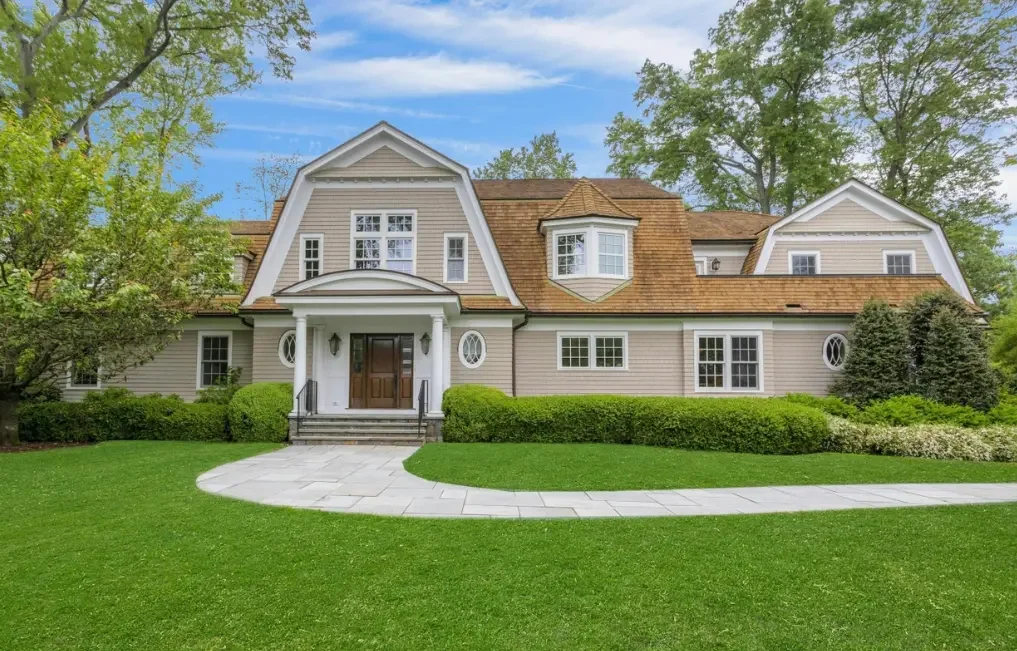
Designing a custom-built home is an exciting journey that allows you to create a space tailored to your unique needs and preferences. However, it also involves careful planning and consideration of various factors that can significantly impact the outcome of your project. This comprehensive guide will explore the ten essential factors to consider when designing your custom-built home, ensuring that you make informed decisions throughout the process.
Effective Planning and Budgeting
Understanding Key Budget Components
Financing Options and Contingency Plans
Location and Site Factors
Zoning Laws and Soil Analysis
Views, Orientation, and Neighborhood Impact
Architectural Styles and Aesthetic Designs
Energy Efficiency and Sustainability
Selecting and Collaborating with a Custom Home Builder
Optimizing Floor Plans, Smart Home Technology, and Outdoor Spaces
Understanding these elements will help you create a dream home that meets your lifestyle and aesthetic desires. We will delve into effective planning and budgeting strategies, site selection considerations, architectural styles, sustainability practices, and more, providing you with the knowledge needed to navigate this complex process successfully.
How Do You Plan and Budget Effectively for Your Custom Home Design?
Effective planning and budgeting are crucial steps in the custom home design process. A well-structured budget not only helps you manage costs but also ensures that your vision is realized without compromising on quality. Understanding the key components of your budget and exploring financing options will set a solid foundation for your project.
What Are the Key Budget Components in Custom House Building Planning?

When planning your custom home budget, several key components must be considered:
Land Acquisition Costs: This includes the price of the land where your home will be built, along with any associated fees such as closing costs, property taxes, and potential land preparation expenses.
Construction Costs: These are the expenses related to the actual building of your home, including materials, labor, contractor fees, and any subcontractor costs.
Permitting and Fees: Local government permits, inspections, impact fees, and utility connection fees are necessary for compliance with building codes and regulations, which can add to your overall budget.
By understanding these components, you can create a realistic budget that accommodates all necessary expenses.
Which Financing Options and Contingency Plans Should You Consider?
Exploring financing options is essential for funding your custom home project. Here are some common methods:
Types of Loans Available: Consider options such as construction loans, conventional mortgages, or FHA loans, each with different terms and requirements.
Importance of a Contingency Fund: Setting aside a contingency fund (typically 10–15% of your budget) is crucial for unexpected costs that may arise during construction.
How to Choose the Right Financing Option: Evaluate your financial situation and consult with a mortgage advisor to determine the best financing strategy for your needs.
Having a solid financial plan in place will help you navigate the complexities of building your custom home.
What Location and Site Factors Influence Your Custom Home Design?
The location and site of your custom home play a significant role in its design and functionality. Understanding the various factors that influence site selection will help you make informed decisions that enhance your living experience.
How Do Zoning Laws and Soil Analysis Affect Your Building Site?
Zoning laws dictate how land can be used and can significantly impact your home design. Here are some considerations:
Zoning Restrictions: These regulations may limit the type of structures you can build, their height, setbacks from property lines, and allowable uses.
Soil Stability and Suitability: Conducting a soil analysis or geotechnical survey is essential to ensure that the ground can support your home’s foundation and prevent future structural issues.
Environmental Considerations: Understanding local environmental regulations, such as wetlands protection or floodplain restrictions, can help you design a home that is compliant and sustainable.
By considering these factors, you can select a site that aligns with your design goals and complies with local regulations.
Why Are Views, Orientation, and Neighborhood Important in Site Selection?
The aesthetic and functional aspects of your home are influenced by its location. Key factors include:
Benefits of Good Views: Positioning your home to take advantage of scenic views can enhance your living experience and potentially increase property value.
Orientation for Energy Efficiency: The orientation of your home can affect natural light, passive solar heating, and cooling, impacting heating and cooling costs.
Community and Neighborhood Impact: The surrounding neighborhood can influence your lifestyle, so consider factors such as amenities, schools, safety, and community culture when selecting a site.
These considerations will help you create a home that not only meets your needs but also enhances your quality of life.
Which Architectural Styles and Aesthetic Designs Suit Your Custom Built Home?
Choosing the right architectural style for your custom home is essential for achieving the desired aesthetic and functionality. Understanding the various styles available will help you make an informed decision that reflects your personal taste.
What Are the Differences Between Modern, Traditional, and Contemporary Styles?
Each architectural style has its unique characteristics:
Modern Styles: Emphasizing clean lines, open spaces, and minimalism, modern homes often incorporate large windows, flat or low-pitched roofs, and natural or industrial materials.
Traditional Styles: These homes feature classic designs, often with symmetrical facades, pitched roofs, and decorative elements that reflect historical influences such as Colonial, Victorian, or Craftsman styles.
Contemporary Styles: Blending elements from various styles, contemporary homes focus on current trends and innovative designs, often incorporating sustainable materials and flexible spaces.
How Can You Choose an Architectural Style That Matches Your Lifestyle?
Selecting an architectural style that aligns with your lifestyle involves considering several factors:
Lifestyle Considerations: Think about how you and your family live, including your daily routines and activities, to determine which style best suits your needs.
Family Needs and Future Planning: Consider your family’s growth and changing needs over time, ensuring that your chosen style can accommodate future changes.
Personal Preferences: Reflect on your aesthetic preferences and how they can be expressed through architectural design.
By evaluating these aspects, you can select a style that not only looks great but also functions well for your lifestyle.
How Can You Enhance Energy Efficiency and Sustainability in Your Custom Home?
Incorporating energy-efficient and sustainable practices into your custom home design is essential for reducing environmental impact and lowering utility costs. Understanding the available options will help you create a home that is both eco-friendly and cost-effective.
Incorporating energy-efficient and sustainable practices into your custom home design is essential for reducing environmental impact and lowering utility costs. Understanding the available options will help you create a home that is both eco-friendly and cost-effective.
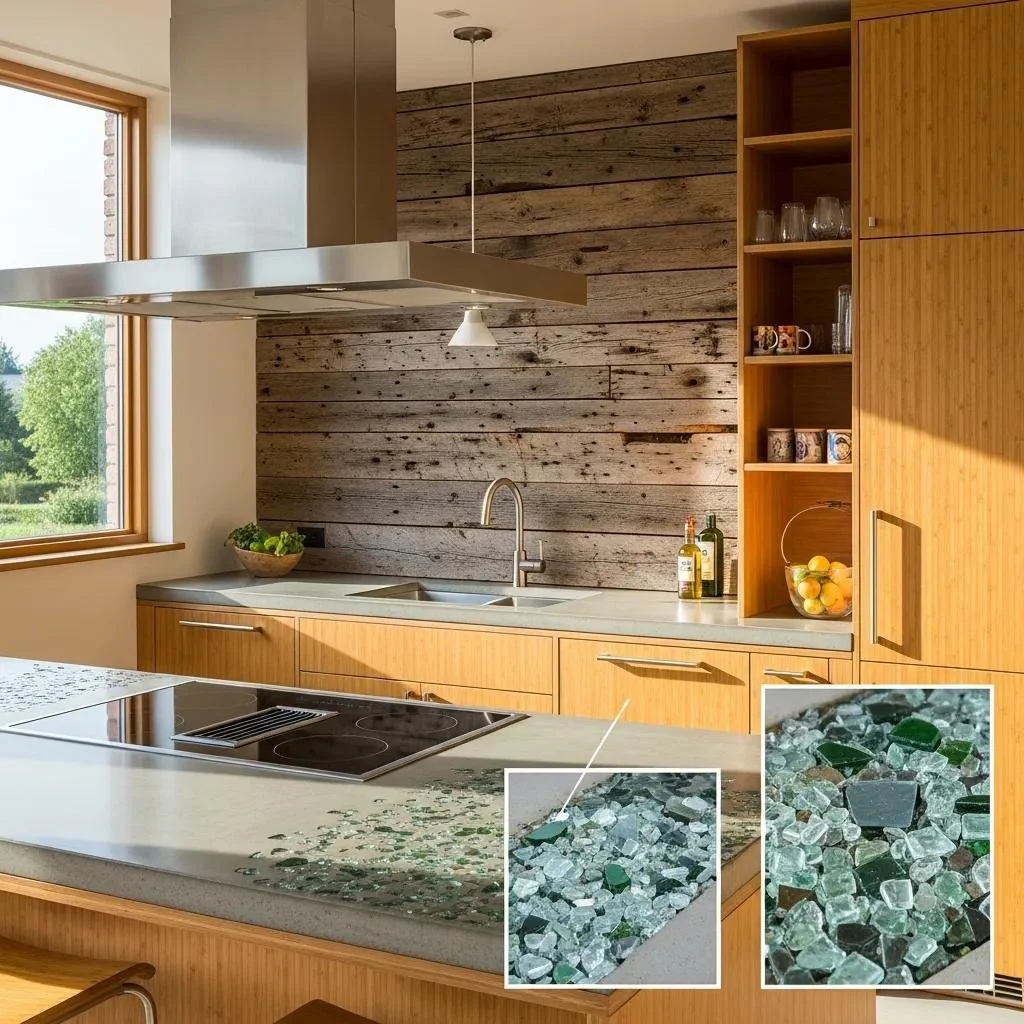
Utilizing sustainable materials and technologies can significantly enhance your home’s energy efficiency:
Types of Sustainable Materials: Consider using recycled, reclaimed, or rapidly renewable materials such as bamboo, cork, or recycled metal that minimize environmental impact.
Technologies for Energy Efficiency: Implementing energy-efficient appliances, LED lighting, high-performance windows, and smart home technology can reduce energy consumption and lower utility bills.
Long-term Savings: Investing in sustainable practices may have higher upfront costs but can lead to significant savings over time through reduced energy expenses.
These strategies will help you create a home that is both environmentally responsible and economically viable.
How Do Solar Panels and Insulation Improve Home Energy Performance?
Solar panels and proper insulation are critical components of an energy-efficient home:
Benefits of Solar Energy: Installing solar panels can provide renewable energy, reducing reliance on fossil fuels and lowering electricity costs.
Types of Insulation: High-quality insulation materials such as spray foam, fiberglass, or cellulose help maintain comfortable indoor temperatures, reducing the need for heating and cooling.
Cost vs. Savings Analysis: While the initial investment in solar panels and insulation may be significant, the long-term savings on energy bills can make these options financially beneficial.
By integrating these elements into your design, you can enhance your home’s energy performance and sustainability.
What Should You Consider When Selecting and Collaborating with a Custom Home Builder?
Choosing the right custom home builder is a critical step in ensuring the success of your project. Understanding the selection process and collaboration strategies will help you find a builder who aligns with your vision and values.
How Do You Vet Builders and Assess Their Reputation?
Vetting potential builders is essential for ensuring quality and reliability:
Researching Builder Credentials: Check for licenses, certifications, insurance, and membership in professional organizations to verify a builder’s qualifications and legitimacy.
Checking References: Speak with past clients to gain insights into their experiences and satisfaction with the builder’s work.
Reviewing Past Projects: Examine a builder’s portfolio to assess their style, quality, and range of completed projects.
By conducting thorough research, you can select a builder who meets your standards and expectations.
What Is the Design-Build Process and How Does It Benefit Your Project?
The design-build process offers several advantages for custom home projects:
Definition of Design-Build: This approach integrates both design and construction services under one contract, streamlining communication and collaboration.
Benefits of a Single Point of Contact: Having one entity responsible for both design and construction simplifies the process and reduces potential miscommunication.
Cost and Time Efficiency: The design-build method can lead to faster project completion and potentially lower costs due to improved coordination.
Understanding the design-build process can help you make informed decisions about how to manage your custom home project effectively.
How Do Floor Plans, Smart Home Technology, and Outdoor Spaces Optimize Your Custom Home Design?
The layout and technology of your home play a significant role in its functionality and comfort. Exploring these elements will help you create a well-designed space that meets your needs.
How Can Floor Plan Layouts Maximize Functionality and Future Needs?
An effective floor plan is essential for optimizing your home’s functionality:
Open vs. Closed Layouts: Consider the benefits of open floor plans for social interaction versus closed layouts for privacy and noise control.
Future-proofing Designs: Design with flexibility in mind, allowing for potential changes in family size or lifestyle needs over time.
Space Utilization: Ensure that each area of your home serves a purpose and is designed for maximum efficiency.
By carefully planning your floor layout, you can create a space that is both functional and adaptable.
What Smart Home Features Enhance Convenience and Security?
Integrating smart home technology can significantly enhance your living experience:
Types of Smart Home Devices: Consider features such as smart thermostats, security cameras, automated lighting systems, and voice-controlled assistants that improve convenience and safety.
Benefits of Automation: Smart home technology allows for remote control and monitoring, providing peace of mind and energy savings.
Security Enhancements: Advanced security systems can deter intruders and provide real-time alerts, enhancing your home’s safety.
Incorporating these technologies into your design will create a modern, efficient, and secure living environment.
Frequently Asked Questions
What are the most common mistakes to avoid when designing a custom home?
When designing a custom home, common mistakes include underestimating the budget, neglecting future needs, and failing to consider the site’s characteristics. Many homeowners overlook the importance of a contingency fund, which can lead to financial strain if unexpected costs arise. Additionally, not planning for future family changes or lifestyle shifts can result in a home that quickly feels inadequate. Lastly, ignoring local zoning laws and environmental factors can lead to compliance issues and design limitations, so thorough research is essential.
How can I ensure my custom home is environmentally friendly?
To create an environmentally friendly custom home, focus on sustainable building materials, energy-efficient appliances, and renewable energy sources. Use materials like bamboo, recycled metal, or reclaimed wood to minimize environmental impact. Incorporate energy-efficient technologies such as solar panels, high-performance windows, and smart home systems to reduce energy consumption. Additionally, consider water-saving fixtures and landscaping that requires minimal irrigation. Consulting with a green building expert can also help you implement best practices for sustainability in your design.
What role does landscaping play in the overall design of a custom home?
Landscaping is a crucial aspect of custom home design, as it enhances curb appeal, provides outdoor living spaces, and contributes to environmental sustainability. Thoughtful landscaping can create a seamless transition between indoor and outdoor areas, improving the overall aesthetic and functionality of your home. Additionally, incorporating native plants can reduce water usage and maintenance needs. Proper landscaping can also provide shade, reduce energy costs, and improve air quality, making it an essential consideration in your home design process.
How do I choose the right materials for my custom home?
Selecting the right materials for your custom home involves considering durability, aesthetics, and sustainability. Start by evaluating the climate and environment where your home will be built, as this can influence material performance. Research various options, such as wood, stone, and metal, to find materials that align with your design vision and budget. Additionally, prioritize sustainable materials that minimize environmental impact. Consulting with architects or builders can provide valuable insights into the best materials for your specific needs and preferences.
What are the benefits of hiring an architect for my custom home project?
Hiring an architect for your custom home project offers numerous benefits, including professional design expertise, personalized solutions, and project management skills. Architects can help you translate your vision into a functional design while considering factors like site conditions, zoning laws, and building codes. They also provide valuable insights into materials and construction methods, ensuring your home is both aesthetically pleasing and structurally sound. Additionally, architects can coordinate with contractors and oversee the project, helping to keep it on schedule and within budget.
How can I incorporate smart technology into my custom home design?
Incorporating smart technology into your custom home design can enhance convenience, security, and energy efficiency. Start by identifying the features that matter most to you, such as smart thermostats, lighting systems, or security cameras. Work with your builder or designer to integrate these technologies during the planning phase, ensuring proper wiring and connectivity. Consider using a centralized smart home system that allows you to control various devices from a single interface. This integration not only improves your living experience but can also increase your home's value.
Conclusion
Designing your custom-built home involves careful consideration of various essential factors that can significantly enhance your living experience. By understanding budgeting, site selection, architectural styles, and energy efficiency, you can create a space that reflects your unique needs and values. Embrace the journey of building your dream home by exploring our expert resources and connecting with professionals who can guide you. Start planning your ideal living space today and turn your vision into reality.