Custom Home Builders: Your Guide to Expert Custom Construction Services
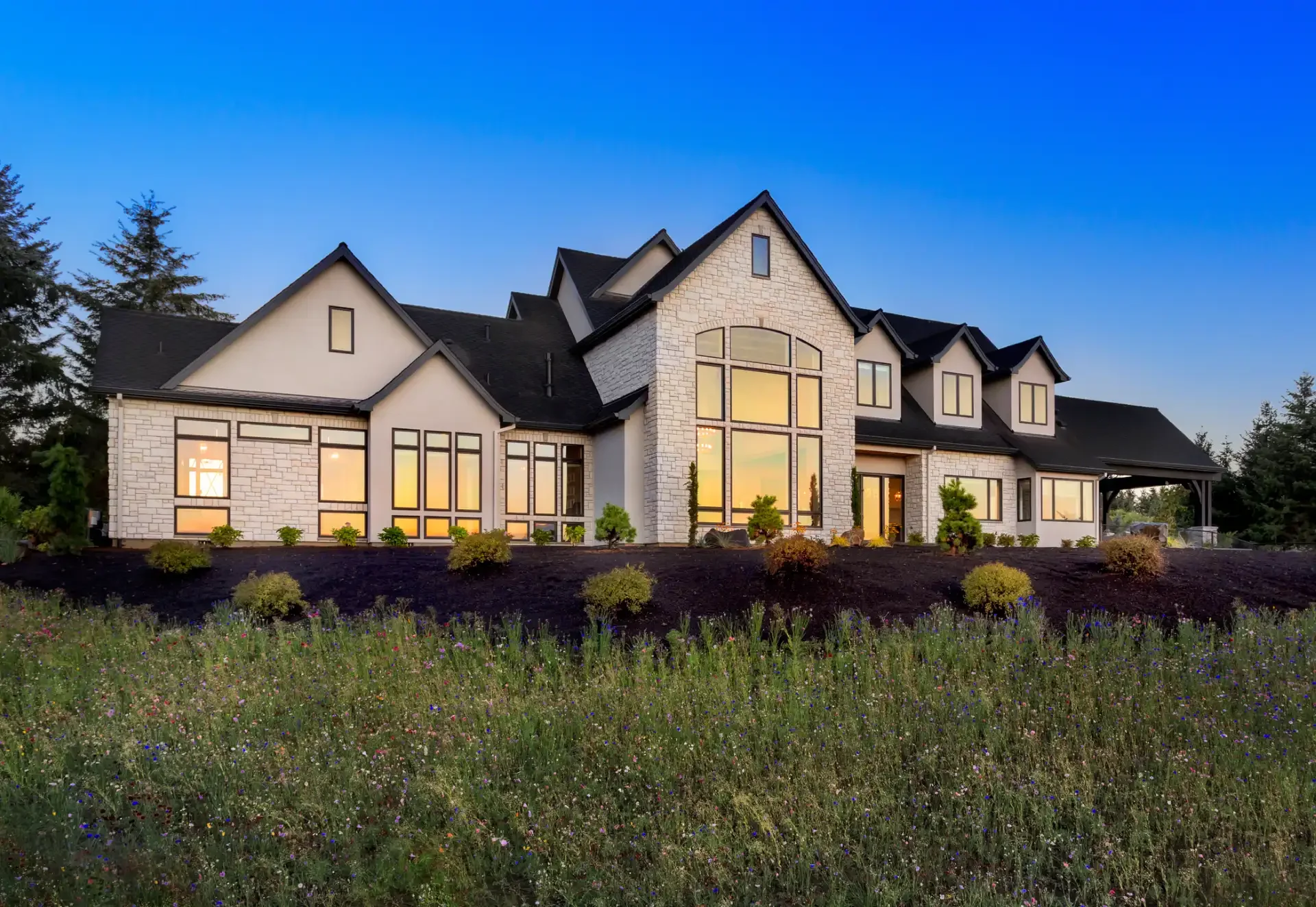
Building a custom home is a significant investment that allows homeowners to create a living space tailored to their unique needs and preferences. This comprehensive guide will explore the essential steps involved in the custom home construction process, helping you understand what to expect from start to finish. From selecting the right builder to understanding the design phase, this article will provide valuable insights into luxury custom home construction. Many prospective homeowners face challenges in navigating the complexities of custom construction, but with the right information, you can make informed decisions that lead to a successful project. We will cover key topics, including the construction process, choosing the right builder, popular luxury features, financing options, and legal requirements.
What Are the Key Steps in the Custom Home Construction Process?
The custom home construction process involves several critical steps that ensure your vision becomes a reality. Understanding these steps can help you manage expectations and streamline the building experience. The process typically begins with the design phase, where your ideas are transformed into architectural plans. Following this, various construction phases unfold, including site preparation, foundation work, framing, and finishing touches. Each phase is essential for creating a structurally sound and aesthetically pleasing home.
How Does the Design Phase Shape Your Custom Home?
The design phase is crucial as it lays the foundation for your custom home. During this stage, architects and designers work closely with you to incorporate your preferences and lifestyle into the plans. This collaboration ensures that the layout, functionality, and aesthetics align with your vision. Key design elements, such as room sizes, flow, and materials, are determined, influencing both the home's appearance and its livability. A well-thought-out design can enhance functionality and create a harmonious living environment.
What Construction Phases Should You Expect from Start to Finish?
The construction of a custom home typically follows a structured timeline, encompassing several key phases:
Site Preparation: Clearing the land and preparing it for construction.
Foundation Work: Laying the foundation, which is critical for the home's stability.
Framing: Constructing the skeleton of the house, including walls, roof, and floors.
Mechanical Systems: Installing plumbing, electrical, and HVAC systems.
Interior and Exterior Finishes: Adding drywall, flooring, roofing, and exterior siding.
Final Inspections: Ensuring everything meets local building codes and regulations.
Each phase requires careful planning and execution to ensure a smooth transition to the next stage.
How to Choose the Right Custom Home Builder and Home Design Services?
Selecting the right custom home builder is one of the most critical decisions you'll make during the construction process. A reputable builder will not only bring your vision to life but also ensure that the project runs smoothly and stays within budget. When evaluating potential builders, consider their qualifications, experience, and past projects.
What Qualifications and Experience Define Luxury Home Contractors?
Luxury home contractors should possess specific qualifications and experience that set them apart from standard builders. Look for:
Relevant Certifications: Ensure the builder has the necessary licenses and certifications to operate in your area.
Years of Experience: A proven track record in luxury home construction is essential.
Portfolio Review: Examine their previous projects to assess quality and style.
These factors will help you gauge the builder's capability to handle your custom home project effectively.
Which Questions Should You Ask Potential Residential Construction Companies?
When interviewing potential builders, asking the right questions can provide valuable insights into their processes and reliability. Consider asking:
What is your estimated timeline for completion?
How do you handle budget overruns?
What is your communication style during the project?
These questions will help you understand how the builder operates and whether they align with your expectations.
What Are Popular Luxury Home Features and Customization Options?
Luxury custom homes often include a range of features that enhance both comfort and aesthetic appeal. Understanding these options can help you make informed decisions about your home design.
How Do Luxury Upgrades Enhance Your Custom Home’s Value?
Incorporating luxury upgrades can significantly increase your home's market value. Features such as high-end appliances, custom cabinetry, and premium flooring not only enhance the living experience but also attract potential buyers. Additionally, unique architectural elements and high-quality finishes can set your home apart in a competitive market.
What Sustainable and Energy-Efficient Features Are Available?
Sustainability is becoming increasingly important in luxury home construction. Many homeowners are opting for energy-efficient features that reduce environmental impact and lower utility costs. Options include:
Energy-efficient appliances: Reduce energy consumption while providing modern conveniences.
Sustainable materials: Use eco-friendly building materials that minimize environmental harm.
Smart home technology: Integrate systems that optimize energy use and enhance comfort.
These features not only contribute to a greener home but also appeal to environmentally conscious buyers.
How to Finance Your Custom Home Construction Project?
Financing a custom home can be complex, but understanding your options can simplify the process. Various financing methods are available, each with its advantages and considerations.

Common financing options for custom home construction include:
Traditional Loans: Standard mortgage options that can be used for home construction.
Construction Loans: Short-term loans specifically designed for the building phase.
Government Programs: Various programs may offer assistance for first-time homebuyers or energy-efficient homes.
Each option has different requirements and terms, so it's essential to research which best fits your financial situation.
How to Budget Effectively for Custom Home Building Costs?
Creating a comprehensive budget is crucial for managing your custom home project. Consider the following tips:
Estimating Costs: Gather detailed estimates from builders and contractors.
Contingency Funds: Set aside a percentage of your budget for unexpected expenses.
Tracking Expenses: Keep meticulous records of all expenditures to stay within budget.
A well-planned budget will help you avoid financial pitfalls and ensure your project stays on track.
What Permits and Legal Requirements Are Needed for Custom Construction?
Navigating the legal landscape of custom home construction is essential for compliance and project success. Understanding the necessary permits and regulations can save you time and money.
Which Building Codes and Regulations Must Your Custom Home Comply With?
Custom homes must adhere to local building codes and regulations, which vary by location. These codes ensure safety and structural integrity, covering aspects such as:
Zoning Laws: Determine what can be built in specific areas.
Safety Standards: Ensure the home meets fire, electrical, and plumbing safety requirements.
Inspection Processes: Regular inspections may be required throughout the construction process.
Familiarizing yourself with these regulations will help you avoid costly delays and modifications.
How to Navigate the Permit Application Process Efficiently?
The permit application process can be daunting, but following these steps can streamline the experience:
Research Requirements: Understand what permits are needed for your project.
Prepare Documentation: Gather all necessary documents, including plans and specifications.
Submit Applications: File your applications with the appropriate local authorities.
By being proactive and organized, you can navigate the permit process more efficiently.
How to Maintain Your Custom Home: Warranty and Upkeep Essentials?
Once your custom home is complete, maintaining it is crucial for preserving its value and ensuring longevity. Understanding warranty terms and regular maintenance needs will help you protect your investment.
What Warranty Terms Should You Expect from Custom Home Builders?
Most custom home builders offer warranties that cover various aspects of the home. Common warranty terms include:
Coverage Details: Understand what is included, such as structural defects or workmanship issues.
Duration of Warranty: Warranties typically last from one to ten years, depending on the coverage.
Claim Process: Familiarize yourself with how to file a claim if issues arise.
Knowing your warranty terms will help you address any problems that may occur after moving in.
How to Plan Regular Maintenance for Long-Term Home Value?
Regular maintenance is essential for keeping your custom home in top condition. Consider implementing a maintenance schedule that includes:
Routine Checks: Inspect systems like HVAC, plumbing, and electrical annually.
Seasonal Maintenance: Address tasks such as gutter cleaning and landscaping upkeep.
Long-term Value Preservation: Regular maintenance can prevent costly repairs and enhance your home's longevity.
By prioritizing maintenance, you can ensure your custom home remains a valuable asset for years to come.
Conclusion
Building and maintaining a custom home is a rewarding journey that requires careful planning, informed decision-making, and ongoing care. From selecting the right builder and incorporating luxury features to navigating financing and legal requirements, each step plays a vital role in creating a home that truly reflects your vision and lifestyle. By understanding the construction process and committing to regular maintenance, you can protect your investment and enjoy the comfort and beauty of your custom home for many years. With the right knowledge and resources, your dream home can become a lasting reality.
