Mid-Hudson Valley ADU Tax Credits & Grants: How to Fund Your Accessory Dwelling Unit in 2026
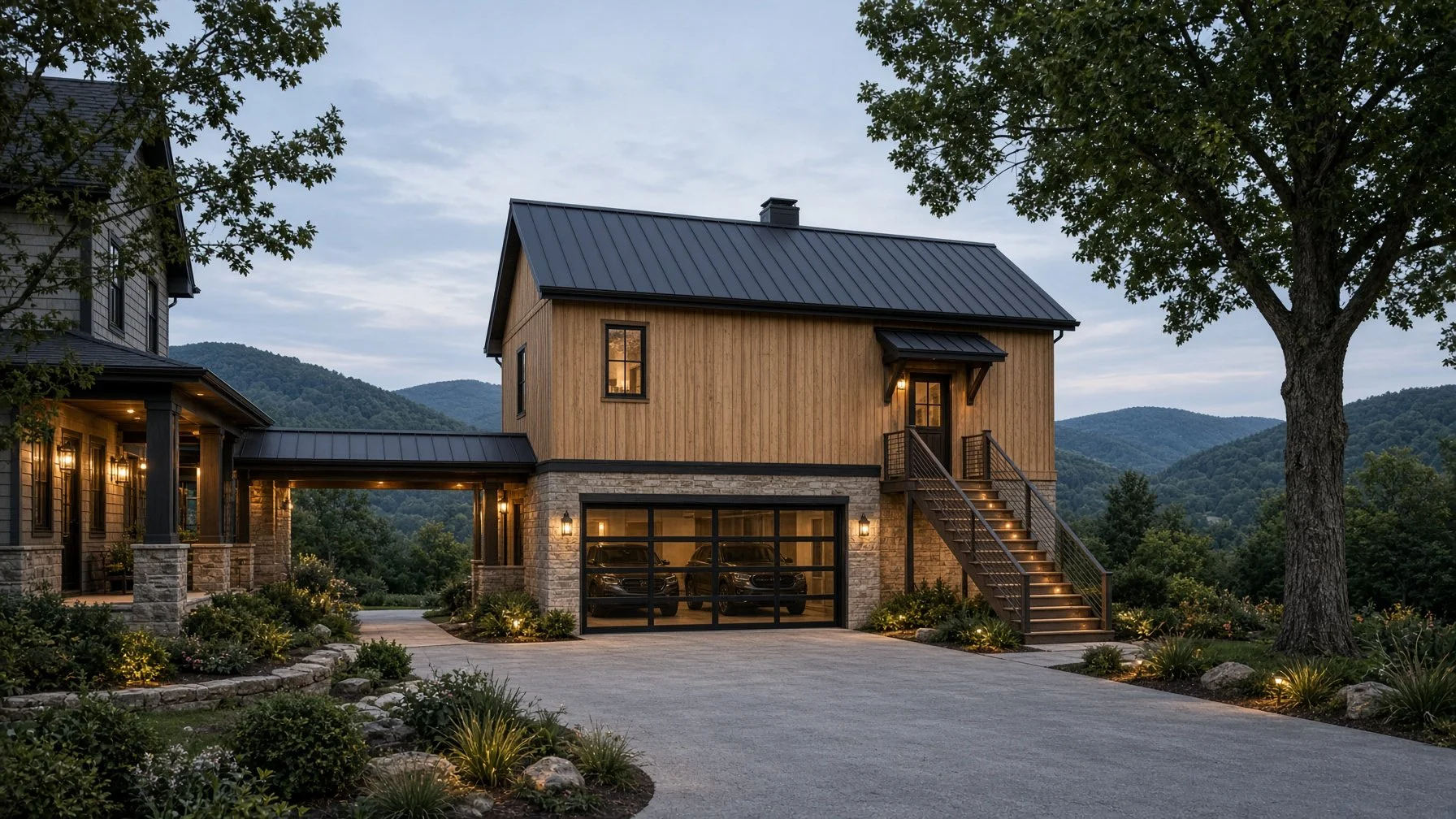
Whether you want to build a private space for aging parents, create a dedicated home office, or generate reliable passive rental income, adding an Accessory Dwelling Unit (ADU)—often called an in-law suite, garage apartment, or backyard cottage—is one of the most effective ways to maximize your Mid-Hudson Valley property.
While constructing a high-quality ADU requires a capital investment, New York State and local municipalities across Dutchess, Ulster, Orange, and Putnam counties have introduced significant financial incentives. Between State-funded grant programs and municipal property tax relief, funding your ADU build in 2026 is more accessible than ever.
Here is your comprehensive guide to the grants, tax credits, and financial strategies available to Mid-Hudson Valley homeowners—and how to navigate them successfully.
1. The NYS Plus One ADU Program: Up to $125,000 in Direct Funding
The flagship financial incentive for Hudson Valley homeowners is New York State’s Plus One ADU Program, administered through NYS Homes and Community Renewal (HCR)and regional housing non-profits like Hudson River Housing in Dutchess County and RUPCO in Ulster County.
What the Grant Covers
Qualifying homeowners can receive up to $125,000 (including up to $112,500 in direct construction assistance) to fund the design, permitting, site preparation, and construction of a new code-compliant ADU—or to legalize an existing unpermitted structure.
Core Eligibility Criteria
Primary Residence: You must own and occupy the single-family home as your primary residence (vacation rentals and investor properties do not qualify).
Income Thresholds: Household income generally cannot exceed 120% of the Area Median Income (AMI) for your county (for example, in Dutchess and Ulster counties, exact dollar caps vary based on household size).
Affordability Commitment: Homeowners agree to use the unit for long-term residency (either for family members or long-term tenants at modest rental rates) rather than short-term vacation rentals (like Airbnb or Vrbo).
Zoning Compliance: The project must be buildable within your local town’s zoning code.
Pro Tip: Application windows for grant rounds (such as those managed by Hudson River Housing or RUPCO) frequently prioritize "shovel-ready" projects—properties that already have preliminary feasibility checks or site plans drafted. Working with an experienced local builder early puts your application at the front of the line.
2. Local Property Tax Relief & Assessment Phase-Ins
A common concern for homeowners building an ADU is the potential spike in local property taxes once the new structure is complete. Fortunately, New York State tax laws allow local municipalities to soften this impact.
Real Property Tax Exemption Framework (NYS RPTL § 421-p)
Under NYS Real Property Tax Law § 421-p, participating Hudson Valley towns, cities, and school districts can pass local opt-in resolutions granting temporary property tax exemptions on the capital improvements made when constructing an ADU.
How it works: Instead of your property taxes jumping immediately to reflect the full market value of your new ADU on Day 1, the increase in assessed value (up to $200,000 in added market value) can be exempt from local property taxation for up to 10 years.
The Financial Benefit: This tax cushion allows you to start collecting rental income or enjoying the benefits of multi-generational living immediately, while keeping your monthly overhead predictable during the early years of your new build.
3. The Long-Term ROI: Rental Yields & Multi-Generational Savings
Even if you do not qualify for income-restricted grant programs, an ADU remains one of the highest-yielding residential home improvements available in the Mid-Hudson Valley.
Financial Objective
Real-World Impact in Dutchess & Ulster Counties
Passive Rental Income
Long-term 1-bedroom ADU rentals in towns like Fishkill, Beacon, Poughkeepsie, and Kingston command strong monthly rents, providing consistent cash flow to offset primary mortgage payments.
Senior Living Savings
Building a custom, single-level in-law suite allows aging family members to stay close while preserving independence—saving families tens of thousands of dollars annually compared to local assisted living facilities.
Property Equity Growth
Adding independent, habitational square footage directly increases the total appraisal value of your estate.
4. Key Steps to Funding Your ADU Project in 2026
To successfully secure funding and complete your build without unnecessary delays, follow this step-by-step roadmap:
Verify Local Zoning & Setbacks: Check your town's zoning code (setbacks, maximum lot coverage, parking rules, and owner-occupancy requirements) in your specific municipality.
Check Grant Eligibility & AMI Limits: Review current income guidelines with regional administrators like Hudson River Housing or RUPCO to determine if your household qualifies for Plus One ADU grant cycles.
Secure Supplemental Construction Financing: If your project scope exceeds grant limits—or if you are funding independently—explore Home Equity Lines of Credit (HELOCs), cash-out refinances, or dedicated construction loans with local Hudson Valley lenders.
Order a Comprehensive Site & Utility Evaluation: Confirm septic capacities, well output, electrical panel headroom, and water connection plans with a professional general contractor.
Partner with a Local Master Builder: Hire an experienced local builder who understands Mid-Hudson Valley municipal building departments, board approvals, and local site conditions.
Build Your Custom ADU with Troy Construction
Navigating local zoning codes, septic requirements, and construction logistics requires a builder with deep roots in the Hudson Valley.
At Troy Construction Company, founder Vincent Troy brings over 20 years of custom building experience to every project. We handle the entire process—from initial property feasibility and zoning checks to architectural permitting, site utility tie-ins, and luxury interior finishing.
Whether you are applying for state grant assistance or self-funding a custom ADU, we ensure your project is built to the highest standards, on schedule, and on budget.
Ready to Explore Your Property’s ADU Potential?
Contact us today to schedule an on-site feasibility consultation across Dutchess, Ulster, Orange, or Putnam counties.
Call Us: (845) 897-6776
Email: info@troyconst.com
Visit Us: 173 Old Route 9, Suite 2, Fishkill, NY 12524
Website:www.troyconst.com