Renovating Older Hudson Valley Homes: How to Modernize Without Losing Character
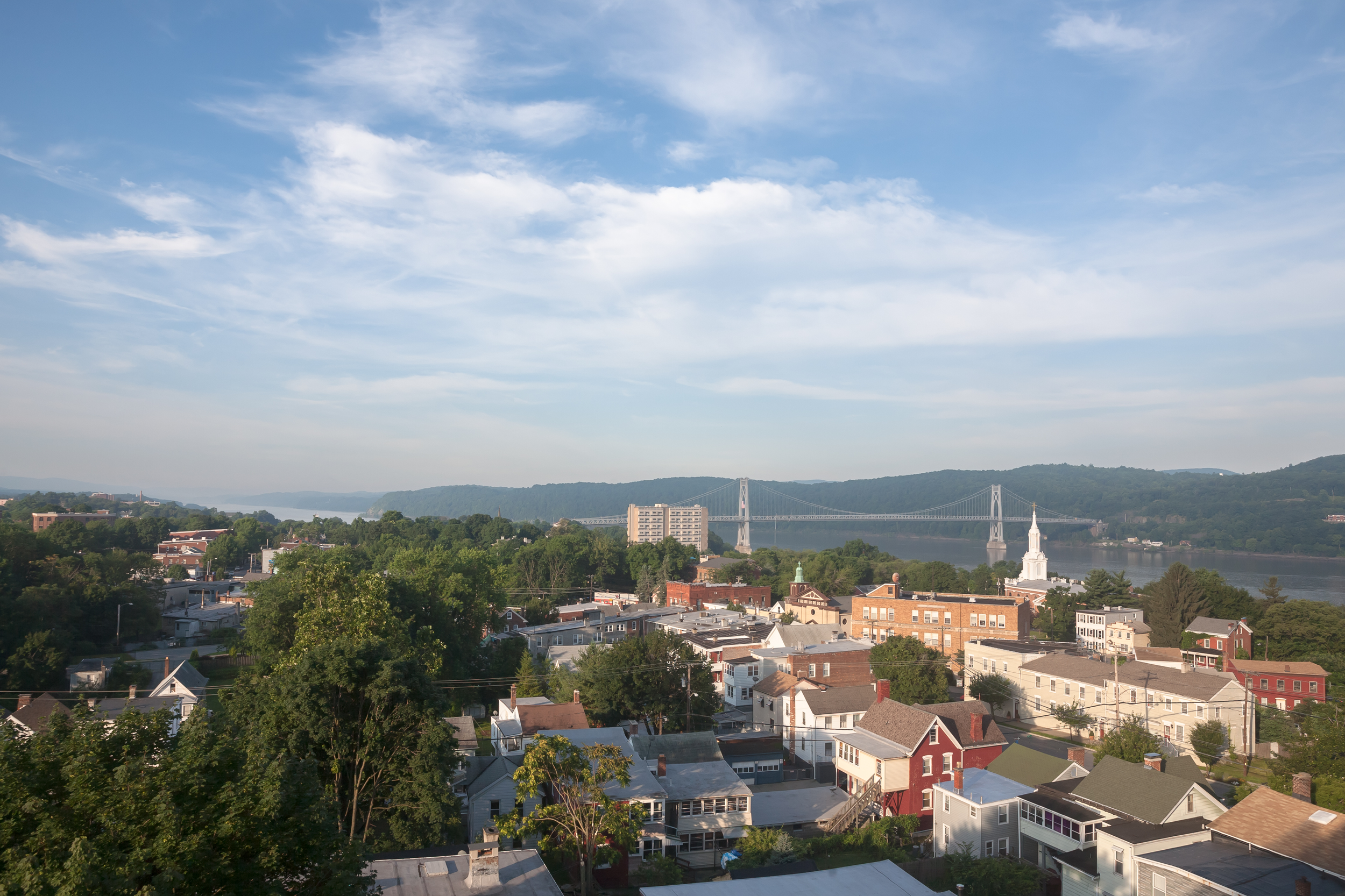
Poughkeepsie, NY neighborhood and the Mid-Hudson Bridge
Older homes in the Hudson Valley—from charming Beacon Victorians to Fishkill farmhouses and Poughkeepsie colonials—offer timeless character that new builds simply can't match, with original woodwork, stone foundations, and river views that define the region's allure. Yet these pre-war gems often need updates for modern living: open kitchens, energy-efficient systems, and smart tech amid sloping lots and historic zoning in Dutchess, Orange, and Westchester Counties. The challenge lies in blending contemporary comfort with preserved details, avoiding cookie-cutter flips that erase local heritage.
Troy Construction Company, led by Vincent Troy's 20+ years of expertise across Putnam, Ulster, and Fairfield areas, specializes in sensitive renovations that honor original architecture while delivering seamless functionality. This guide covers strategies, material choices, and pitfalls to modernize your Hudson Valley treasure without sacrificing its soul—perfect for homeowners in Beacon, Newburgh, Kingston, or Greenwich eyeing resale value and daily joy.
Assess Your Home's Historic Features First
Start with a professional assessment of load-bearing walls, original plaster, wide-plank floors, and period details like transom windows or exposed beams that define Hudson Valley farmhouses and worker cottages. Document everything with photos before demo to guide restoration. In historic districts like Beacon's Mount Beacon or New Paltz, consult local preservation boards early to flag protected elements.
Prioritize reversible updates: LED fixtures mimicking gas lights, pocket doors preserving trim, and salvaged hardware from Beacon's antique shops.
Kitchen and Bath Modernization Strategies
Open up walled-off kitchens with careful wall removal, reinforcing beams to echo original post-and-beam construction common in Orange County homes. Swap dated cabinets for shaker-style with soft-close hardware and quartz counters veined like vintage soapstone. Install induction ranges and hidden-vent hoods that nod to 19th-century hearths.
For baths, clawfoot tubs pair with rain showers and heated floors under wide-plank replicas; use subway tile in heritage patterns for that early-1900s spa feel. Smart plumbing like tankless water heaters tucks behind period wainscoting.
Energy Efficiency Without Altering Aesthetics
Upgrade insulation in attics and walls with dense-pack cellulose that fits irregular old framing, preserving exterior clapboard or stone facades. Triple-pane windows mimic divided-light sashes; solar panels mount flush on rear roofs to dodge street-view scrutiny. Radiant barriers under original slate roofs combat Hudson Valley winters without visible changes.
Mini-split HVAC hides in closets, delivering zoned comfort through discreet vents disguised as period registers.
Exterior and Structural Updates
Refresh siding with fiber-cement shakes matching original dimensions, or limewash brick for Ulster County stone houses. Replace failing foundations with helical piers that stabilize without excavation scars. Add covered porches with tapered columns echoing Greek Revival styles prevalent in Westchester.
Decks use ipe composites in earth tones, extending indoor-outdoor flow while blending with wooded lots.
Smart Tech and Lighting Integration

Embed smart hubs in repurposed butler pantries; control lighting via apps mimicking vintage switches. Recessed LEDs behind cove molding replicate gas chandelier glow. Whole-home audio wires through existing baseboards, speakers disguised as artwork.
Security cams tuck into carriage lanterns flanking period entry doors.
Working With Local Codes and Craftsmen
Dutchess and Orange Counties require permits for structural changes; Troy Construction handles affidavits, engineered plans, and inspections for older homes. Source reclaimed beams from Hudson Valley mills and partner with period-specialist carpenters who match miters and mortises flawlessly.
Budget 20-30% contingency for surprises like knob-and-tube wiring or asbestos in pre-1950 builds.
Common Pitfalls to Avoid
Over-modernizing fronts visible from streets, triggering HOA or historic review.
Ignoring moisture in stone basements, leading to mold behind new finishes.
Cheap vinyl windows clashing with wood trim—opt for wood-clad instead.
Skipping lead/paint tests in pre-1978 homes before sanding.
FAQ: Renovating Hudson Valley Classics
How much does it cost to modernize a 100-year-old Hudson Valley home?
Expect $250–$450 per sq ft in 2025 trends, higher for full gut renos preserving originals; kitchens average $50k–$100k.
Can I add a second story to an older cottage?
Yes, with engineering for foundations, Dutchess approvals take 4–6 months.
What's the ROI on historic renovations?
Kitchens and baths recoup 60–80% in resale; energy upgrades appeal to eco-buyers.
How long does a sensitive reno take?
9–18 months, factoring permits and custom millwork matching originals.
Ready to breathe new life into your Hudson Valley heirloom without erasing its story? Troy Construction Company excels at these character-preserving renovations across Beacon, Fishkill, Poughkeepsie, Newburgh, and into Westchester and Fairfield Counties. Contact Vincent Troy today for a no-obligation site walk-through—discover how we blend modern efficiency with historic charm. Visit www.troyconst.com or call now; your updated forever home awaits, rooted in Hudson Valley legacy.