Renovation or New Build: Which Path Fits Your Goals — Costs, Design, and Long‑Term Value
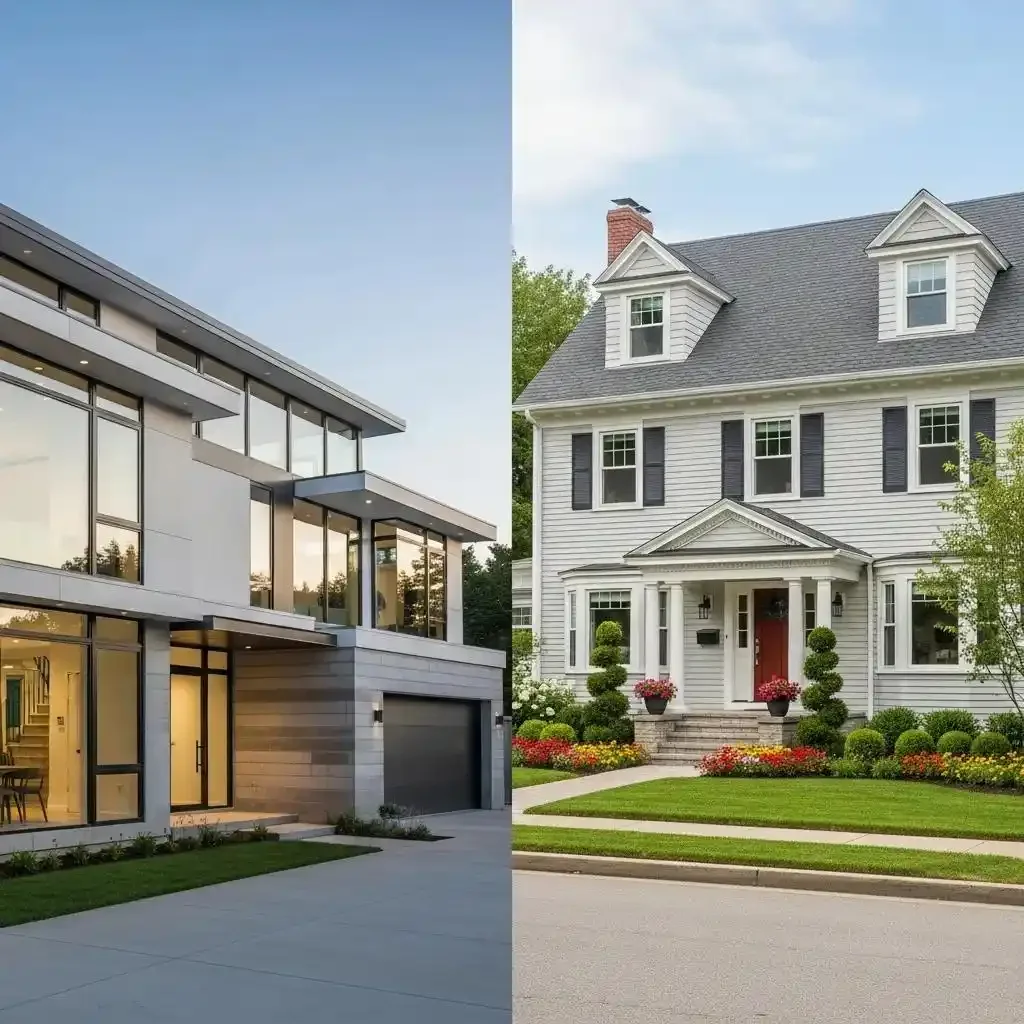
Deciding whether to renovate your current house or build a new one comes down to a few clear priorities: budget, schedule, how much design control you want, the importance of location, and long‑term value. This guide lays out what we mean by a new build (ground‑up custom construction) versus a renovation (anything from targeted updates to full‑house reworks), how each option affects systems and daily livability, and simple rules of thumb to help Hudson Valley homeowners choose. You’ll see how costs stack up, typical timelines, design differences, and which upgrades often deliver the strongest return. We also walk through permitting and inspection considerations, common hidden expenses, and energy trade‑offs so you can balance lifestyle needs against financial constraints. Finally, short scenarios show when a custom home makes sense and when renovation best preserves your location and character.
How do new home construction and renovations actually differ?
New construction and renovation differ in scale, predictability, and opportunity for redesign. A new build replaces the site infrastructure and the entire building envelope, giving you full control over layout, materials, mechanical systems, and energy performance — and more predictable service life for foundation, framing, HVAC, and electrical systems. Renovations run the gamut from cosmetic refreshes to structural overhauls that keep the original foundation and neighborhood context. They often require creative routing and engineered workarounds around existing load paths and mechanical chases. Knowing these differences helps you match the project type to your priorities for customization, budget certainty, and location. Below we look at how new builds enable modern features and warranties, and how renovation types preserve character and community.
How do new builds deliver customization and modern systems?
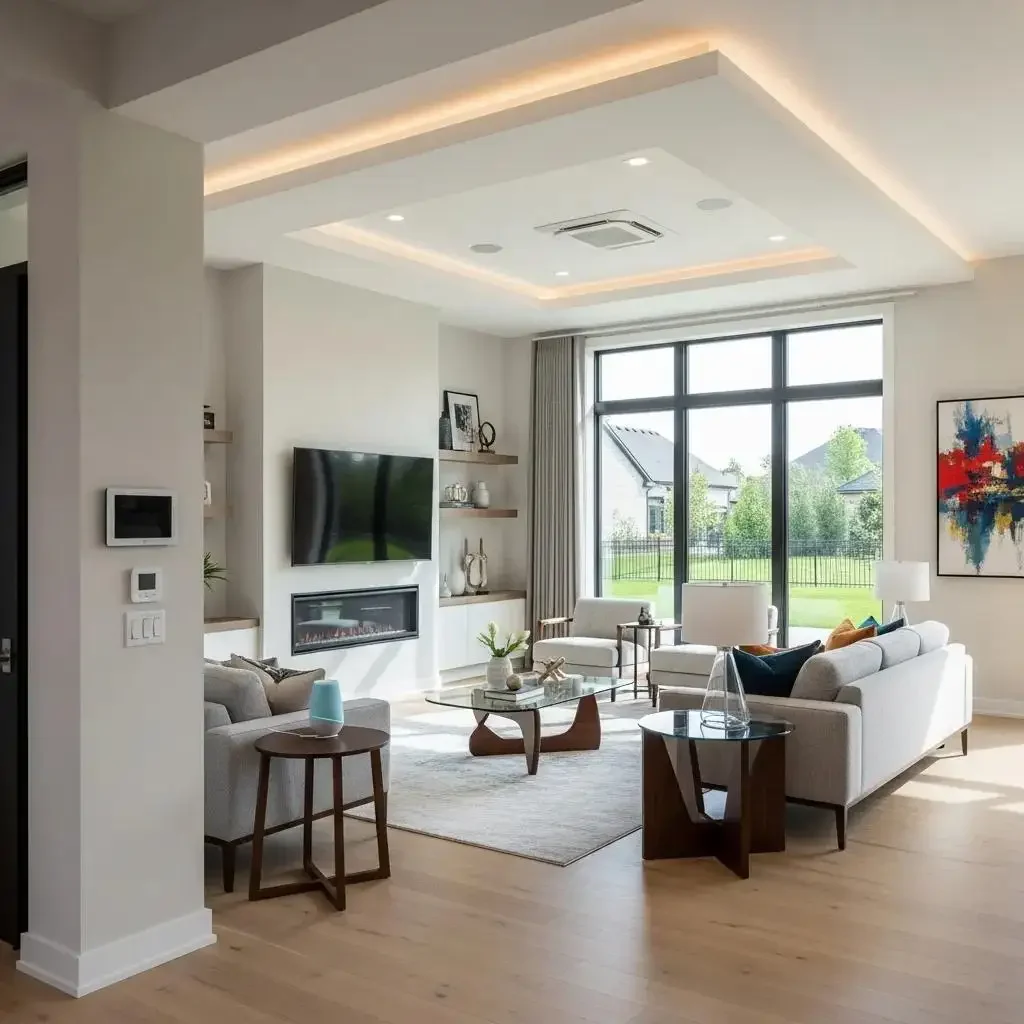
Starting from a blank site lets you design nearly every dimension of the home — footprint, flow, ceiling heights, and mechanical layouts. A ground‑up approach makes it straightforward to specify high‑efficiency HVAC, whole‑house automation during rough‑in, and modern material assemblies that meet today’s energy standards. Factory warranties and new equipment reduce early maintenance risk and make lifecycle planning for roofing, systems, and finishes clearer. If you want a bespoke layout and predictable system performance, building new minimizes the compromises that often come with major renovations. Later we’ll discuss the cost and schedule trade‑offs that follow from that choice.
What kinds of renovations preserve location and character?
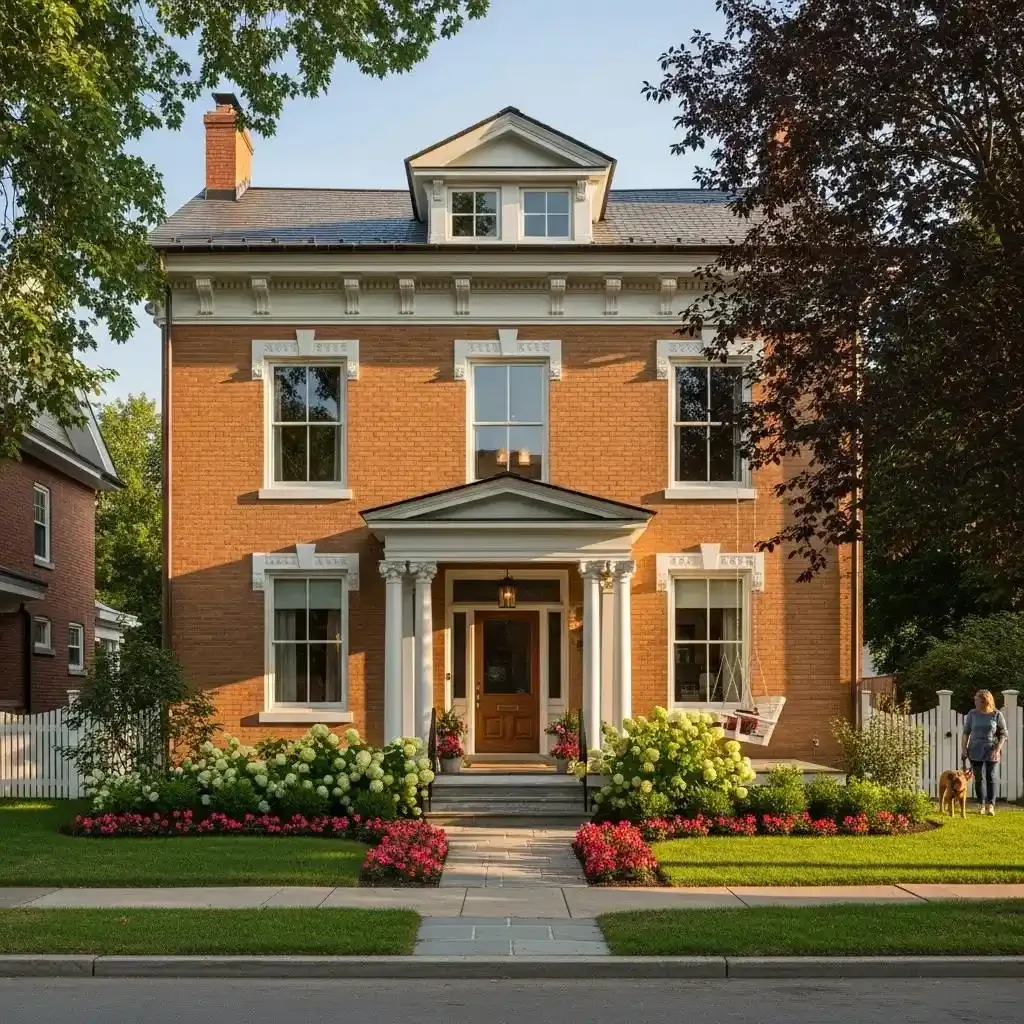
Renovations can be as simple as a cosmetic refresh — paint, new finishes, cabinet refacing — or as extensive as a full gut that replaces systems while keeping the original footprint and street presence. Cosmetic projects keep disruption and cost relatively low; structural work, like additions or removing load‑bearing walls, requires engineering, permits, and careful coordination of new mechanical routes. Historic preservation projects focus on keeping architectural character while meeting modern codes through careful materials selection and restoration techniques. For homeowners invested in a neighborhood, renovating keeps you close to schools, transit, and community value — though it can reveal hidden conditions that affect cost and schedule. Next, we quantify the cost drivers that usually separate these approaches.
How do costs and budgets compare for new builds versus renovations?
Costs differ mainly in predictability and exposure to hidden issues. New construction concentrates expense in land and site work, full systems installation, and the hard costs of a complete build — but once plans and site studies are finished, estimates become more reliable. Renovations often start cheaper for targeted work but carry greater risk from concealed problems like rot, outdated wiring, or foundation issues that require contingency funds. Financing and ROI also vary: kitchen and bath remodels can offer strong short‑term returns, while a custom new home may deliver greater long‑term value through efficiency and modern systems. The table below highlights primary cost drivers, typical impacts, and common hidden expenses so you can compare routes at a glance.
The table summarizes main cost categories and their expected impact for a quick scan.
| Cost Category | Typical Cost Driver | Typical Impact / Notes |
|---|---|---|
| Land & Site Work (New Build) | Clearing, utilities, grading | Major upfront cost; site constraints can raise expenses significantly |
| Structure & Shell | Foundation, framing, roofing | New builds: full expense; renovations: may require partial replacement |
| Systems & Utilities | HVAC, electrical, plumbing | New builds allow coordinated systems; renovations often need rerouting |
| Soft Costs | Design, permits, inspections | Both need design fees and permits; historic properties may require specialist reviews |
| Hidden Conditions (Renovation) | Rot, mold, asbestos, outdated wiring | Can add roughly 10–30% to renovation budgets if discovered mid-project |
This comparison shows new builds concentrate predictability in design and site phases, while renovations require contingency planning for concealed issues. Next we break down common new‑build cost factors and then look at renovation‑specific variability.
What typical cost factors drive a new home build?
New home budgets cluster around land purchase and preparation, foundation and framing, exterior envelope, interior finishes, mechanical systems, and soft costs like design and permits. Site work varies widely with topography and utility access; foundation and framing are driven by square footage and architectural complexity. Mechanical systems are sized to modern standards during construction, which often reduces operating costs versus older homes. Design and permitting are a meaningful soft‑cost portion but add predictability lenders and homeowners use to set budgets. For custom builds, early site evaluations and preliminary cost estimates reduce mid‑project surprises and improve budget confidence.
How do renovation costs change with scope and hidden issues?
Renovation costs scale with scope: cosmetic upgrades are relatively inexpensive, while structural changes that add square footage or alter load paths are much costlier. The age and condition of the existing structure determine exposure to hidden defects — rot, asbestos, undersized electrical service — that can expand scope and increase budgets. Industry practice is to set aside a contingency of 10–20% for minor to moderate renovations and more for older homes with unknown conditions. Thorough pre‑construction inspections, selective exploratory demolition, and clear contract allowances help manage cost risk and prevent scope creep that drives up budgets. The next section covers timeline expectations and how project management differs between the two approaches.
What timeline and project‑management differences should you expect?
New builds and renovations follow different sequences and risk profiles. New construction tends to follow a linear design → permit → build flow with coordinated phases — site work, foundation, framing, enclosure, rough‑ins, finishes — and predictable inspections and milestones. Renovations often require phased work to maintain occupancy and manage discovery, with selective demolition followed by staged finishing. In the Hudson Valley, permitting can add weeks to months depending on the municipality and complexity; both paths depend on inspection scheduling at closeout. Successful projects rely on clear scopes, realistic buffers for lead times, and frequent communication to limit delays and cost escalation. The table below outlines typical phase durations for comparison.
| Project Type | Phase | Typical Duration |
|---|---|---|
| New Build | Site Prep & Foundation | 4–8 weeks |
| New Build | Framing to Enclosure | 6–12 weeks |
| New Build | Rough-ins & Inspections | 4–8 weeks |
| New Build | Finishes & Closeout | 6–12 weeks |
| Renovation | Selective Demolition & Discovery | 1–4 weeks |
| Renovation | Systems Upgrade & Structural Work | 2–12 weeks |
| Renovation | Finishes & Re-occupancy | 2–8 weeks |
In short, new builds usually follow longer but more predictable schedules; small renovations can be quicker but may stretch out if hidden issues appear. The paragraphs that follow explain typical build durations and the common disruptions you’ll see during renovations.
How long does a custom home build usually take?
A custom single‑family home commonly takes 9–12 months of on‑site construction after design and permitting are complete, though projects can run shorter or longer depending on size, site complexity, and local approvals. Design and permitting add several months up front for schematic plans, detailed specs, and municipal reviews, so the total timeline includes both preconstruction and field work. Factors that lengthen schedules include difficult site conditions, long lead times on specialty materials, and design changes during construction. Early procurement, locking in finish selections, and planning for long‑lead items reduce schedule risk and help trades coordinate efficiently.
What disruptions and delays commonly occur in renovations?
Renovations frequently run into concealed damage, scheduling conflicts among specialty trades, and lead times for custom finishes or appliances. Living in the house during work adds complexity: plan for phased access, containment to control dust, and temporary living adjustments. Code or life‑safety upgrades discovered during work can expand scope and require additional inspections. Mitigation strategies include phased sequencing, off‑site prefabrication where practical, and realistic contingencies in contracts to manage change orders. Clear communication between homeowner, designer, and contractor reduces scope creep and helps plan the temporary lifestyle changes active construction brings.
How do design freedom and customization differ between new builds and renovations?
Design freedom is a major differentiator. New builds give broad creative control — plan geometry, orientation, ceiling heights, daylighting — while renovations must work around existing structure, foundations, and mechanical chases. High‑end materials and bespoke architectural elements raise costs in either case, but structural rework during a renovation can be especially expensive. That said, smart renovation strategies — targeted openings, pocket additions, or reconfigurations — can deliver large gains without the full cost of new construction. The sections below outline the flexibility a new build offers and the structural limits you should expect in remodels.
What design flexibility does a new build provide?
With a new build you can optimize orientation for daylight and passive performance, choose insulation and window assemblies to meet higher efficiency targets, and size mechanical systems without retrofit compromises. Integrating smart‑home wiring and renewable‑ready infrastructure during rough‑in is more cost‑effective in a ground‑up project, and warranties and lifecycle planning for major systems are simpler. The trade‑off is a larger initial investment and longer timeline compared with smaller renovations, so align design ambitions with budget and schedule expectations before deciding.
What structural constraints shape renovation design choices?
Renovations commonly run into constraints like load‑bearing walls, shallow foundations, limited floor‑to‑ceiling heights, and existing mechanical chases that limit plan changes. Solving these constraints typically requires engineered interventions — beams, posts, underpinning, or rerouted mechanicals — which add material, labor, and permitting complexity. Working around limits often means phased or targeted interventions that improve function while keeping costs manageable. Architects and engineers can propose solutions that balance structural needs, aesthetics, and budget so you can decide whether the desired outcome is realistic in a renovation or better achieved by building new.
How do location, energy efficiency, and property value affect your decision?
Location, energy performance, and appraisal implications tie lifestyle priorities to long‑term financial outcomes. Renovating in an established neighborhood preserves access to schools, walkability, and community ties that support resale value; building on new land can deliver privacy, views, and a site‑specific orientation. New construction typically delivers higher baseline efficiency because assemblies and systems are designed to current standards, though targeted retrofits — insulation, windows, heat pumps — can significantly lower operating costs in existing homes. Appraisers look at square footage and systems; modern, efficient mechanicals and well‑documented upgrades improve marketability. The table below outlines common energy and value impacts to help you weigh long‑term considerations.
| Upgrade / Approach | Typical Attribute | Long-term Impact |
|---|---|---|
| High-efficiency HVAC (New Build) | Lower energy use | Reduced utility bills and lower maintenance liabilities |
| Insulation & Window Retrofit (Renovation) | Improved envelope performance | Noticeable utility savings with a moderate payback period |
| Kitchen/Bath Remodel (Renovation) | Targeted ROI | Often strong resale appeal and buyer interest |
| Land & Site Choice (New Build) | Location premium | Can increase long-term appreciation where demand is strong |
Overall, new construction can embed efficiency and low‑maintenance features from day one, while renovations allow you to target high‑ROI items that improve comfort and resale value. The next section covers Hudson Valley specifics and compares retrofit opportunities to new‑construction options.
Should you renovate in place or build on new land in the Hudson Valley?
In the Hudson Valley, neighborhood character, proximity to amenities, and zoning rules strongly influence the decision. Renovating keeps you in established villages and school districts that carry intangible value; building on new land is attractive when acreage, seclusion, or a specific view matter. Land costs, site constraints, wetlands, and steep‑slope restrictions can offset the benefits of a greenfield build, so early feasibility studies and soil tests reduce risk. If community ties and local services matter most, renovating in place often makes sense. If you need a fully custom site layout or greater separation, building new may be the better route.
How do energy efficiency and sustainability compare between the two options?
New homes make it easier to meet high energy‑performance targets because you can specify continuous insulation, high‑performance windows, and correctly sized mechanicals from the start — making net‑zero readiness simpler. Renovations can still deliver meaningful efficiency gains through air sealing, added insulation, and heat‑pump conversions, but retrofit limits and finish removal costs can increase complexity. Choosing durable claddings, low‑VOC finishes, and efficient appliances improves longevity and indoor air quality in both scenarios. From a lifecycle perspective, investing in high‑quality assemblies during construction or major renovation usually pays off through lower operating and replacement costs.
When is a new build or renovation the right choice for you?
Choose between a new build and a renovation by weighing five practical factors: your budget envelope, desired level of customization, importance of location, timeline tolerance, and the structural condition of the existing home. If you want full plan control, modern systems, and lower long‑term maintenance — and you can accept a higher upfront cost and longer schedule — a custom new home often makes sense. If location, lower initial cost for targeted improvements, or preserving neighborhood context are priorities, renovation wins, especially for high‑ROI projects like kitchens, baths, and outdoor living spaces. Below are quick decision rules and short scenarios to help you apply this thinking to your situation.
-
Choose a new build for maximum design freedom and predictable system lifecycles.
-
Renovate to retain neighborhood value and access to local amenities.
-
Focus renovations on high‑ROI areas like kitchens and baths rather than replacing the whole house
-
Smaller renovations typically finish sooner and with less upheaval than a full build.
When does building a custom home with Troy Construction make sense?
Building custom often fits when you need full spatial control, want high‑efficiency systems from day one, or the site itself justifies land and site costs. In the Hudson Valley, clients who prioritize energy‑efficient layouts, modern open plans, and carefully coordinated systems frequently choose a local custom builder to manage design, permitting, and construction. Troy Construction Company, Inc. is a Hudson Valley firm that handles custom homes as well as additions and renovations, offering an integrated approach from feasibility through closeout. Talking to a local builder early helps clarify site constraints, realistic budgets, and schedule expectations to determine whether a ground‑up approach is the best path.
When is renovating the smarter investment and lifestyle fit?
Renovation is usually the better choice when neighborhood location matters, the existing structure is fundamentally sound, and you want to capture high‑ROI upgrades like kitchens, baths, or outdoor living areas. Targeted renovations preserve access to schools, transit, and community while improving comfort and marketability at a lower near‑term cost than building new. In older Hudson Valley homes, sympathetic retrofits that upgrade systems and finishes can extend useful life and improve energy performance without the time and expense of land acquisition. Builders that handle both renovations and additions can help you phase work to spread cost and disruption over time.
Troy Construction Company, Inc., based in Fishkill, NY, offers custom home building, renovations, additions, kitchen and bath remodels, and exterior work — a practical resource for homeowners weighing these scenarios. For inquiries or to request a consultation, contact details are available on their website or through local business listings.
Frequently Asked Questions
What are the environmental impacts of new builds versus renovations?
New builds can have a lower long‑term environmental footprint because modern assemblies and right‑sized systems reduce energy use and waste over the life of the house. Renovations may use some existing materials and consume fewer new resources up front, but older systems can be less efficient. Well‑planned retrofits — air sealing, insulation, heat pumps — can make existing homes much more sustainable. The best choice depends on your goals, timeline, and the condition of the existing building.
How do financing options differ between new builds and renovations?
New construction is typically financed with construction loans that cover land and building costs and later convert to a mortgage. Renovations are often funded with home equity loans, lines of credit, or renovation‑specific financing, which can be easier to access for homeowners who already own their property. Loan structure and interest rates affect overall budget and feasibility, so discuss financing early in planning.
What permits are typically required for new builds and renovations?
Both project types require permits, but the scope differs. New construction usually involves zoning approvals, building permits, and environmental reviews. Renovations may need fewer permits for cosmetic work, but any structural change, additions, or major system upgrades will trigger building permits and inspections. Local codes and review timelines vary, so consult your municipality and your builder early to avoid delays.
How can homeowners manage unexpected costs during renovations?
New homes generally come with new materials and systems that need less maintenance and often include warranties, lowering long‑term upkeep. Renovated homes might retain some older components that require more frequent attention. Choosing high‑quality materials and modern systems during renovation can mitigate future maintenance needs, so balance upfront cost with expected lifecycle benefits.
How do lifestyle needs influence the decision between a new build and a renovation?
Your lifestyle — family size, work‑from‑home needs, accessibility, entertaining habits — should guide the choice. If you want tailored spaces, modern amenities, and long‑term efficiency, building new may be best. If staying in your neighborhood, preserving character, and minimizing disruption matter more, a renovation will likely be a better fit. Think about both current needs and how you’ll use the home in five to ten years.
What role does neighborhood character play in the renovation decision?
Neighborhood character often pushes homeowners toward renovation. Keeping your address preserves community ties, school districts, and the local feel that appeals to buyers. New builds offer more design freedom but can look out of place in a historic streetscape. Weigh the value of community and context against your desire for modern features when deciding.
Conclusion
Choosing between renovation and new construction is a practical decision rooted in budget, design goals, location, and timeline. Understanding the trade‑offs — costs, schedules, design flexibility, and long‑term value — lets you pick the path that best matches your priorities. Whether you want a modern custom home or to preserve the character of an existing property, both options can lead to a rewarding result when planned carefully. Talk with local experts early to explore feasibility and next steps tailored to your site and goals.
