Essential Guide to Custom Home Building Materials
Essential Guide to Custom Home Building Materials: Expert Insights for Quality and Sustainability
Building a custom home requires deliberate material choices that influence quality, longevity and environmental performance. This guide reviews core materials, sustainable alternatives, energy‑efficiency roles and local sourcing considerations for the Mid‑Hudson Valley to help homeowners make informed decisions within budget.
What Are the Best Materials for Custom Home Construction?
Choose materials to meet durability, appearance and performance goals: high‑grade wood for warmth and finishwork, concrete for foundations and structural stability, and effective insulation for year‑round comfort and lower operating costs.
Troy Construction Company, Inc specialises in custom homes, renovations and additions, applying standards that prioritise durability and sustainability.
Comparing Wood, Concrete, and Steel: Benefits and Applications
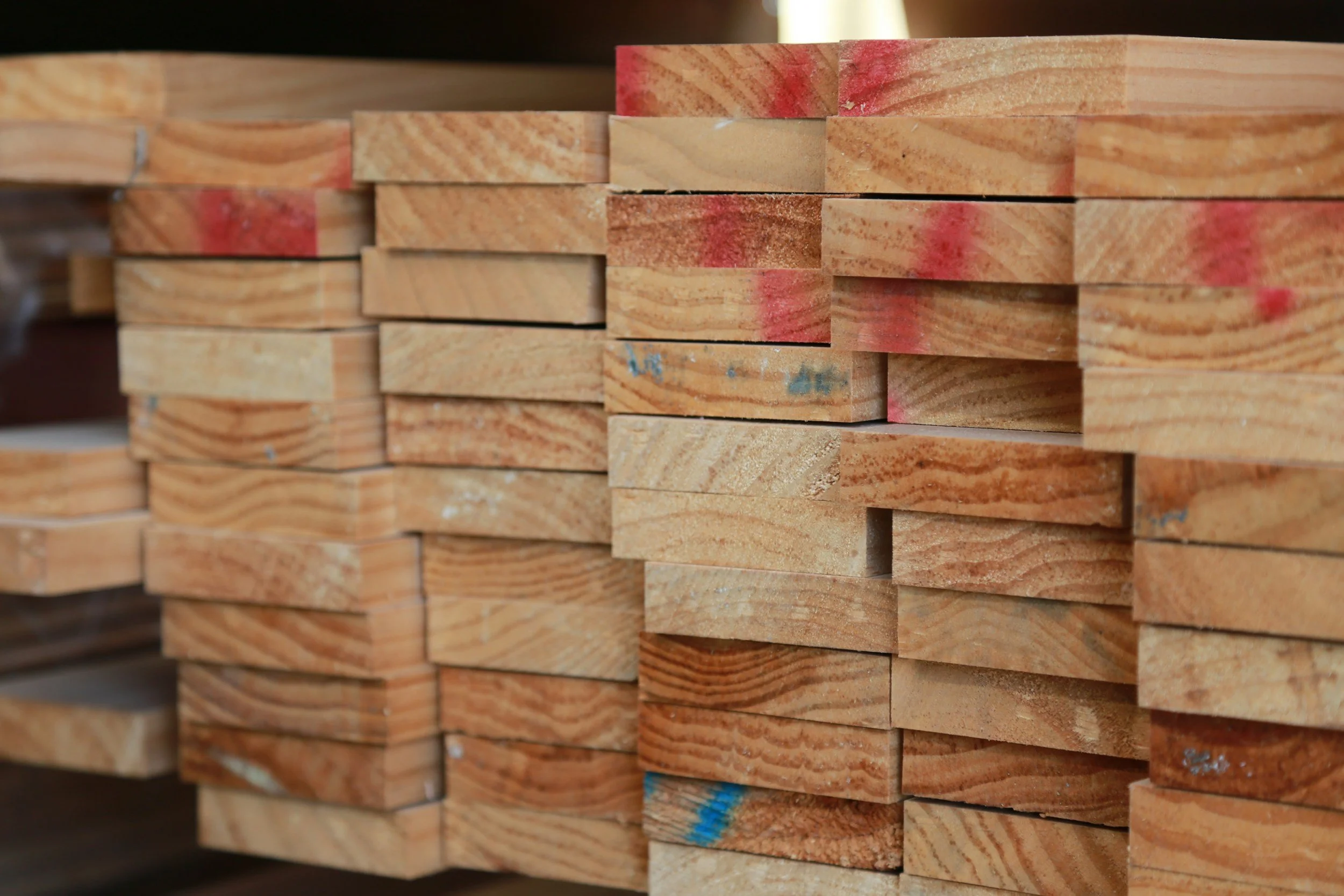
Wood, concrete and steel each serve distinct structural and aesthetic needs; choose based on load, fire performance, lifecycle and design intent.
| Material | Benefits | Cost |
|---|---|---|
| Wood | Aesthetic appeal, ease of use, renewable resource | Moderate |
| Concrete | High durability, fire resistance, low maintenance | Moderate to high |
| Steel | Strength, longevity, recyclable | High |
Use wood for framing and finishes where warmth and renewability matter, concrete for foundations and load‑bearing elements, and steel for high‑strength or contemporary applications where recyclability and longevity are priorities.
How Material Choice Impacts Craftsmanship and Durability
Specifying quality materials reduces defects and enables precise workmanship. Certified timber improves appearance and resilience; correctly mixed and cured concrete limits settlement; durable choices make maintenance easier and lower lifetime costs.
Which Sustainable Materials Enhance Energy Efficiency in Custom Homes?
Sustainable options can improve thermal performance and reduce environmental impact. Common choices include:
Bamboo : Rapidly renewable, strong and lightweight for flooring and cabinetry.
Cork : Natural insulating properties that help regulate temperatures.
Recycled materials : Reclaimed wood or recycled metal reduce waste and embodied impacts.
Selecting alternative materials reduces resource use across a building's lifecycle and supports ecological objectives.
Thoughtful integration of these materials can lower operational energy and reduce the project's carbon footprint.
Identifying Eco-Friendly Building Materials for Mid-Hudson Valley Homes
For local projects, prefer regionally appropriate, locally sourced materials to reduce transport emissions and ensure climate suitability.
Types of sustainable materials: Locally sourced wood, stone, and natural products cut transport emissions.
Local sourcing benefits: Local suppliers often provide materials suited to regional conditions and support the local economy.
Sustainability certifications: Look for labels such as FSC to verify responsible sourcing.
Demand for certified materials supports traceability and consistent timber quality among builders focused on stewardship.
Emphasising eco‑friendly materials helps homeowners build a custom home aligned with environmental values.
How Sustainable Materials Reduce Long-Term Energy Costs
Materials with strong thermal performance reduce reliance on mechanical heating and cooling, lowering lifetime energy use and operating costs.
Thermal properties of materials : Insulation like cellulose or spray foam keeps temperatures steady.
Long-term savings on energy bills : Energy-efficient materials tend to reduce monthly costs.
Initial investment vs. savings : Higher upfront costs can be offset by long-term energy savings.
Proper specification of advanced insulation and thermal solutions yields measurable efficiency gains.
Troy Construction Company, Inc emphasises sustainable selections to help homeowners achieve energy savings and lower operating costs.
How Can You Budget Effectively for Custom Home Building Materials?
Effective budgeting needs planning and realistic allowances to avoid overruns.
Understanding Cost Factors for Premium and Modern Materials
Key cost drivers include sitework, premium finishes, and mechanical, electrical, and plumbing (MEP) systems. Account for these early to allocate funds where they add the most value.
Tips for Balancing Quality and Budget in Material Selection
Follow these practical steps:
Assessing financial situation : Set clear material allowances.
Prioritizing needs and wants : Spend on durable, visible elements first.
Consulting with experts : Use architect and builder input to find cost-effective options.
Reserve a contingency for unforeseen site conditions and consult professionals when finalising choices.
Where to Source High-Quality Building Materials Locally in Mid-Hudson Valley?
Local procurement supports sustainability and improves scheduling and suitability for regional conditions.
Trusted Local Suppliers Offering Sustainable and Durable Materials
Typical local suppliers include:
Local lumber yards : Sustainably sourced wood for framing and finishwork.
Stone suppliers : Natural stone for interior and exterior use.
Recycled material vendors : Reclaimed wood and other eco options.
How Local Sourcing Supports Craftsmanship and Project Timelines
Local sourcing shortens lead times, matches materials to climate conditions and helps maintain reliable schedules and craft quality.
By prioritizing local sourcing , homeowners can create a custom home that reflects their values and supports the community.
Frequently Asked Questions
-
Sustainable materials reduce environmental impact, improve thermal performance and can lower long‑term costs. They also support local economies and responsible sourcing.
-
Check supplier reputation and certifications (for example, FSC for timber) and inspect samples where possible. Consult architects or builders for performance‑based recommendations.
-
Local suppliers shorten supply chains, reduce transport emissions and provide materials suited to regional conditions, aiding both sustainability and build quality.
-
Look for FSC for wood, ENERGY STAR for appliances and LEED for broader building performance to verify environmental and quality attributes.
-
Prioritize durable, high‑impact areas and seek cost‑effective sustainable alternatives. Work with professionals and local suppliers to optimize lifecycle value.
-
Consider advanced insulation (cellulose, spray foam, SIMs) and Phase Change Materials (PCMs) to improve thermal stability and reduce energy use when correctly specified.
Conclusion
Careful material selection shapes a custom home's quality, durability, and sustainability. Prioritize eco‑friendly options, local sourcing, and long‑term performance; use expert advice and trusted suppliers to deliver a resilient, efficient home.