Benefits of Renovating Your Home vs. New Builds
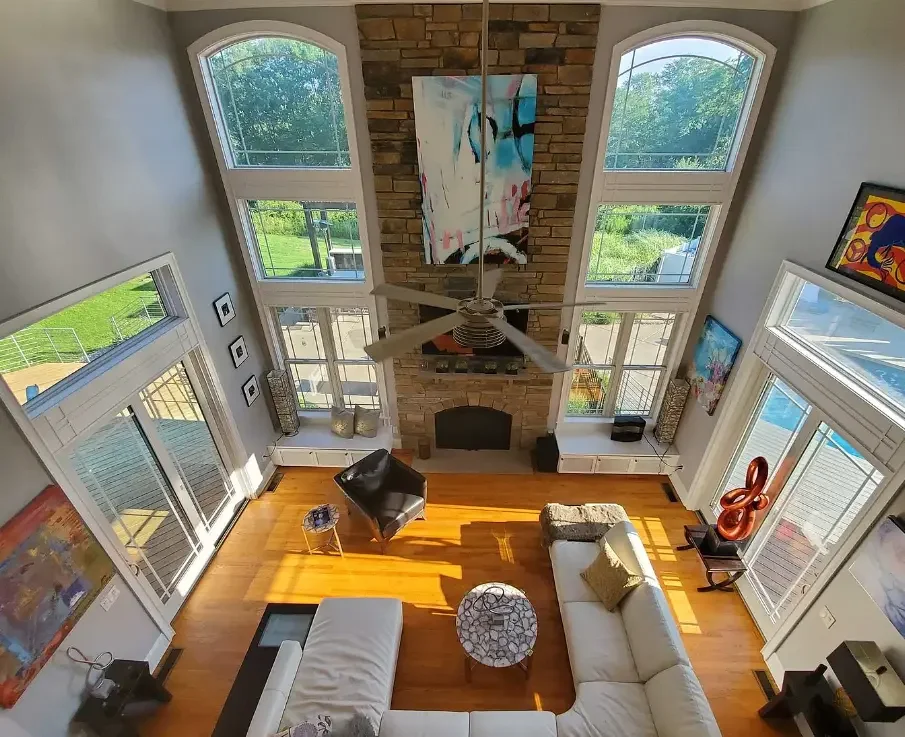
Benefits of Renovating Your Home vs. New Builds: Cost, Efficiency, and Customization Insights
Choosing between renovating an existing property and building new affects budget, daily life, and long-term value. This article focuses on the key renovation advantages—cost, energy performance, and design flexibility—so homeowners can compare practical trade-offs and make decisions that match objectives and constraints.
When faced with the decision of whether to renovate an existing property or to build a new one, homeowners must carefully consider how each option affects their budget, daily life, and long-term value. Renovating an existing property often proves to be more cost-effective compared to new construction. Renovations can circumvent many expenses associated with a new build—such as land acquisition, infrastructure, and permits—allowing for more of the budget to be directed towards enhancing the current structure. Additionally, many homeowners find that by preserving the character of their existing property, they can create a unique living space that reflects their personal style, making the investment not just financially wise but also emotionally rewarding.
Apart from financial considerations, renovations can lead to significant improvements in energy performance and environmental sustainability. Upgrading insulation, windows, and appliances can dramatically reduce energy consumption, resulting in lower utility bills and a reduced carbon footprint. Furthermore, the potential for design flexibility in renovations allows homeowners to tailor their spaces to better suit their current lifestyle and evolving needs. Whether it’s creating an open-concept living area or incorporating modern technologies, renovations often allow for imaginative solutions within the existing framework. Ultimately, evaluating these renovation advantages in terms of budget constraints, daily life enhancements, and long-term value will help homeowners make informed decisions that align with their objectives and aspirations.
Cost Advantages:
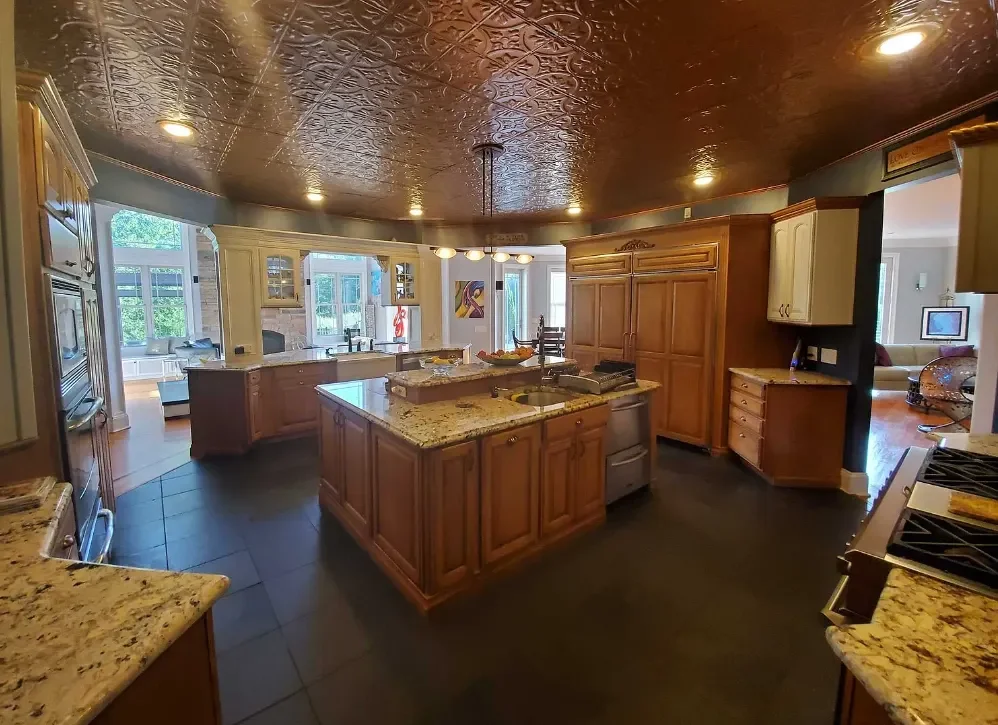
Renovation generally needs less upfront capital than new construction, letting homeowners direct funds to priority areas. Targeted kitchen and bathroom upgrades often offer strong returns on investment.
Research supports the economic case for renovation and highlights the role of quantitative methods in assessing investment attractiveness.
Troy Construction Company, Inc. specialises in custom home renovations that optimize budget allocation. Their Mid-Hudson Valley experience helps keep projects cost-effective and responsive to client needs.
What Are the Cost Advantages of Renovating Compared to Building New?
Key cost advantages include:
Lower Initial Investment: Renovations usually require less upfront capital than a full rebuild.
Targeted Improvements: Funds can focus on high-impact areas rather than an entire property.
Resale Appeal: Well-chosen renovations often boost market value.
How Does Renovation Offer Cost Savings Over New Construction?
Renovation savings come from avoiding land and full construction costs, using home equity financing, and concentrating work where it delivers the most value.
What Are Typical Budget Considerations for Renovation Projects?
Plan around materials, labor, permits, and contingencies. Capitalizing on existing structure reduces some expenses, but set a clear budget and timeline to control cost and schedule.
Efficiency Differences:
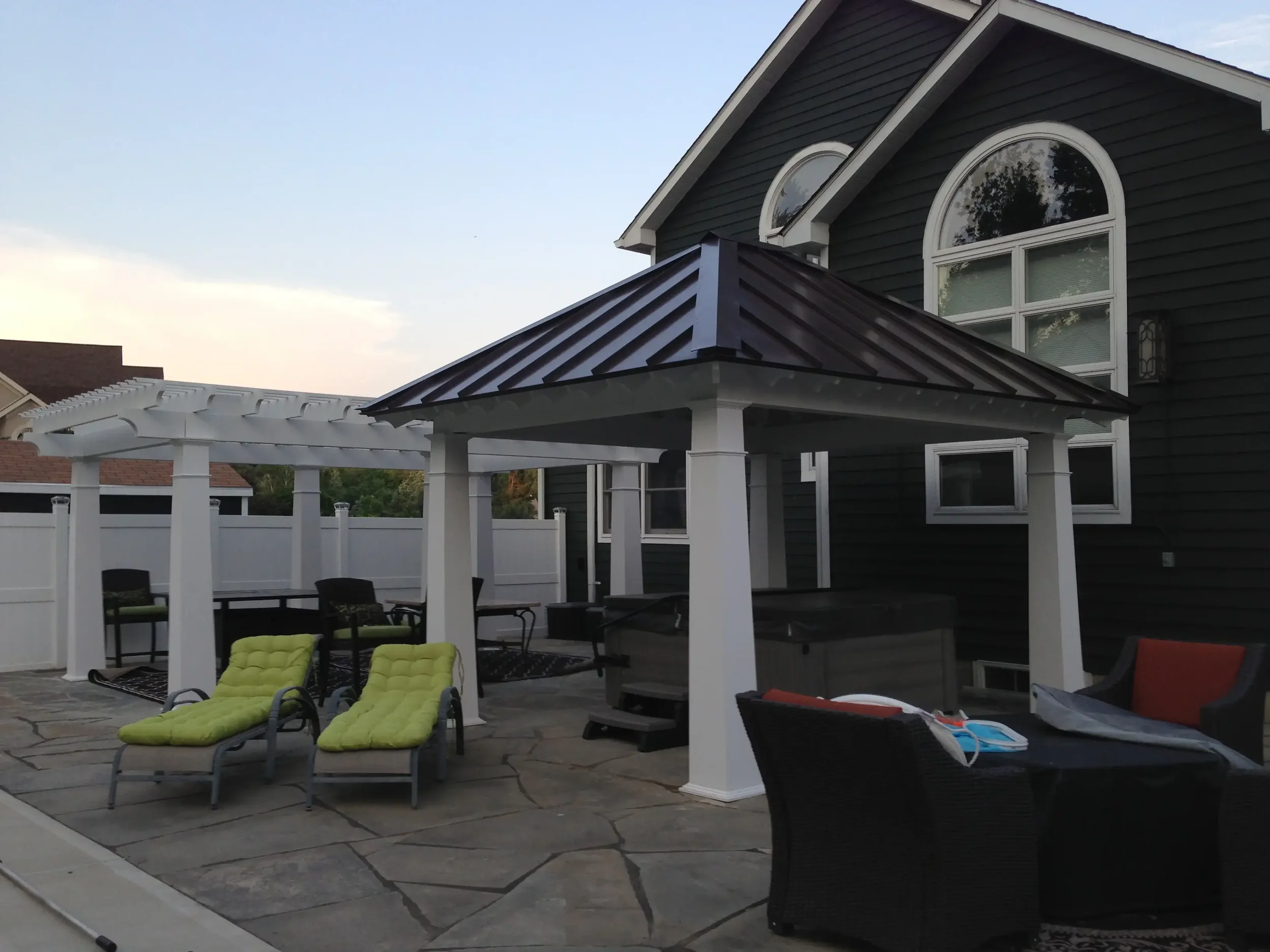
New builds often include the latest integrated energy systems, yet targeted renovation measures—better insulation, efficient appliances, and sustainable materials—can substantially lower operating costs over time.
A review of the literature examines the motivations and factors that drive decisions for energy-efficient renovations.
Troy Construction Company, Inc. advises on practical measures to improve home energy performance and reduce operating costs.
How Does Energy Efficiency Differ Between Renovations and New Builds?
Differences include:
Energy Consumption: New builds often start with advanced systems; renovations upgrade existing ones.
Insulation Standards: Modern builds meet stricter codes, but retrofits can significantly improve older envelopes.
Long-Term Savings: Replacing systems and improving sealing during renovation can yield sizable energy reductions.
Can Renovations Improve Home Energy Performance Effectively?
Yes—target key measures:
Energy-Efficient Appliances: Swap old units for rated models to cut use.
Improved Insulation: Add insulation and seal leaks to lower heating and cooling loads.
Sustainable Materials: Use low-impact materials to reduce embodied carbon and operational impact.
What Sustainable Materials and Technologies Are Used in Renovations?
Common practices include:
Recycled Materials: Reclaimed finishes reduce waste and embodied carbon.
Energy-Efficient Technologies: Modern HVAC, lighting, and controls lower utility costs.
Upgraded Insulation: Better insulation and air sealing reduce demand.
Customization Options:
Renovation lets homeowners adapt existing homes to personal needs while retaining desirable character. Thoughtful interventions can upgrade function and aesthetics without starting from scratch.
The capacity to tailor spaces to individual preferences is a principal benefit of flexible design, allowing buildings to respond to evolving user needs.
Troy Construction Company, Inc. delivers customized renovation solutions aligned with client style and function.
How Does Customization in Renovations Compare to New Home Builds?
Customization trade-offs:
New Builds: Full layout control from the start.
Renovations: Work within existing structure, which can limit some changes but preserve character.
Practical Focus: Prioritise kitchens, bathrooms, or layouts for high impact.
What Design Flexibility Does Renovation Offer Homeowners?
Renovation flexibility enables homeowners to:
Maintain Character: Preserve stylistic features while updating systems.
Target Improvements: Direct investment to the most used spaces.
Deliver Upgrades: Achieve noticeable gains in comfort and usability.
How Do Renovations Reflect Personal Client Visions and Needs?
Renovations reflect vision by allowing:
Material and Finish Choices: Select higher-quality finishes that match style.
Character Preservation: Retain historic or original elements as desired.
Tailored Solutions: Configure spaces for specific household needs.
Frequently Asked Questions
What are the environmental benefits of choosing renovations over new builds?
Renovations reuse existing structure, cut construction waste, and reduce embodied carbon from new materials. Adding recycled materials and efficient systems lowers operational emissions and supports a longer building lifecycle.
How can homeowners ensure their renovation project stays on budget?
Start with a clear scope and itemized cost estimate, set a contingency (commonly 10–20%), keep regular contractor communication, and sequence work based on priority to protect value.
What financing options are available for home renovations?
Options include home equity loans, personal loans, and lines of credit. Home equity loans typically offer lower rates; lines of credit suit phased projects. Grants or incentives may be available for energy upgrades.
How can renovations enhance a home's resale value?
Targeted updates—especially in kitchens and bathrooms—plus energy upgrades, new windows, and improved insulation make homes more attractive and marketable.
What are the common challenges faced during home renovations?
Expect potential hidden issues (wiring, plumbing), cost overruns, and schedule shifts. Thorough planning, realistic timelines, and early permit work reduce these risks.
What role do contractors play in the renovation process?
Contractors coordinate trades, secure permits, advise on materials and constructability, and manage progress. Choosing a reputable contractor is essential for quality and timely delivery.
How can homeowners maintain the character of their home during renovations?
Retain key architectural features and select fixtures that complement the original style. When appropriate, consult preservation-experienced designers to balance upgrades with historic character.
Conclusion
Renovation offers lower upfront cost, the potential for meaningful energy savings, and strong customization opportunities while preserving desirable character. Consult a qualified contractor to develop a focused plan that matches your priorities and delivers measurable results.
