Top Reasons to Choose the Best Custom Home Builders
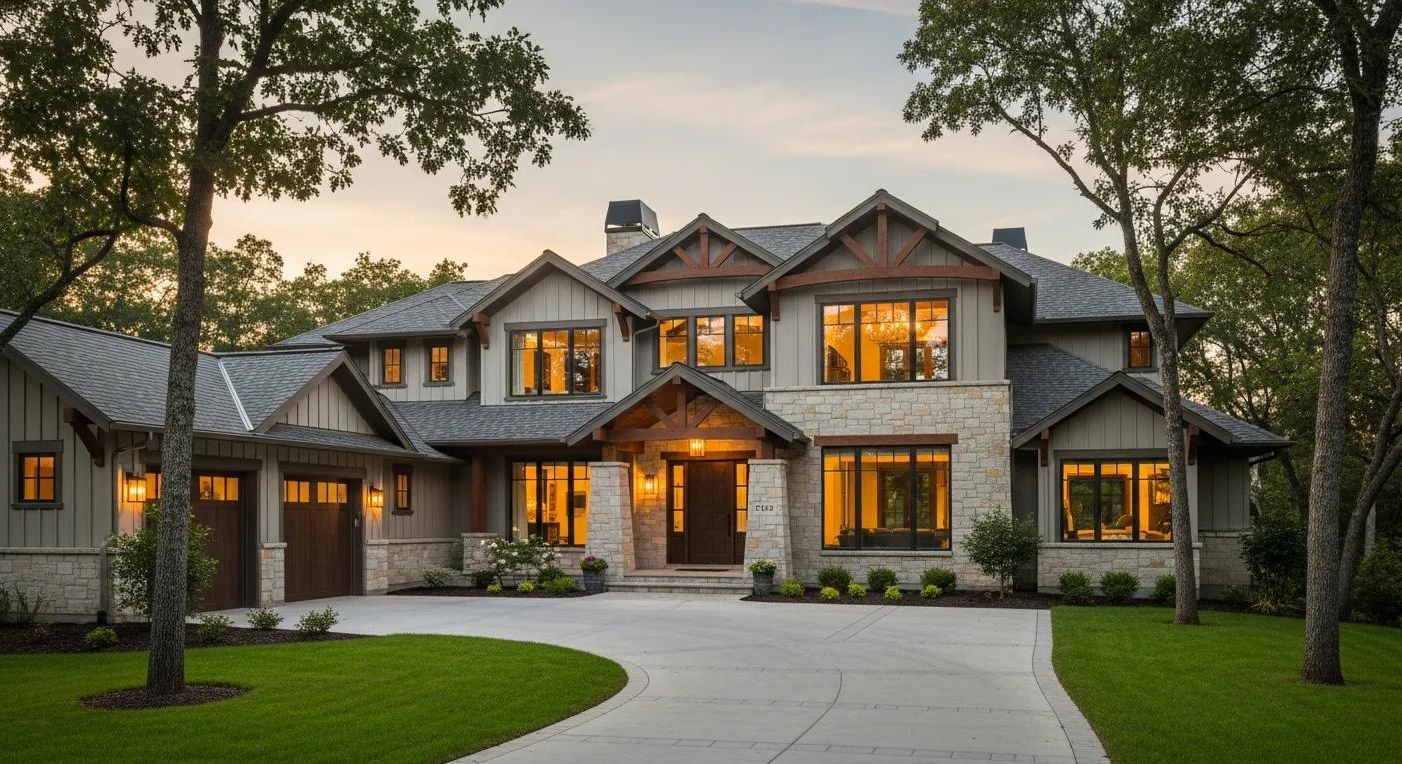
Why choose the right custom home builder?
Picking the right custom home builder is one of the most important choices you'll make when creating a home that truly fits your life. Below we outline the clear benefits of working with an experienced builder, the qualities to look for, and practical tips for hiring. Read on to learn how a skilled custom builder can turn your ideas into a durable, beautiful home while managing timelines, budgets, and material choices so you get the result you envisioned.
What are the key benefits of hiring a custom home builder?
Hiring a skilled custom home builder delivers advantages you won't get from a standard contractor or tract home. The main benefits include:
Tailored design: Builders collaborate with you to shape layouts and finishes that match your lifestyle and priorities.
Quality craftsmanship: Proven builders bring trade expertise and close attention to detail that shows in the finished work.
Material guidance: Experienced teams recommend durable, energy-smart materials that improve comfort and long‑term value.
Project management: A full-service builder coordinates schedules, trades, permits, and inspections to keep the project moving.
Sustainability: Builders can integrate green practices and products that lower operating costs and reduce waste.
Local expertise: Knowledge of local climate, codes, and suppliers helps avoid costly mistakes and improves a home's performance.
How does custom construction deliver design flexibility?
Custom construction gives you control over the floor plan, materials, and features so spaces work for how you live. A good builder listens, translates design goals into buildable plans, and balances aesthetic choices with budget and site realities. That collaboration is what turns concepts into a home that feels personal and functional.
What advantages do superior materials and craftsmanship provide?
Using top-quality materials and skilled workmanship yields clear, practical benefits:
Durability: Better materials and details lengthen a home's life and reduce repair needs.
Energy efficiency: Proper insulation, airtightness, and efficient systems lower utility bills and improve comfort.
Lower maintenance: Thoughtful selection of finishes and assemblies cuts long‑term upkeep.
Resale value: Quality construction and materials make a home more attractive to future buyers.
Comfort: Materials and systems chosen for your climate create a healthier, more consistent interior environment.
How to choose the right custom home builder for your project
When selecting a builder, focus on experience, process, and fit. Consider these essentials:
Track record: Look for a history of completed custom projects similar in scale and style to yours.
Attention to detail: Choose a team that documents decisions and follows through on specifications.
Client feedback: Read reviews and ask for references that speak to timelines, budgets, and workmanship.
Communication: A good builder listens, explains options clearly, and keeps you informed at every stage.
Quality standards: Verify material choices and on-site quality control practices.
Portfolio: Review past work to confirm the builder’s aesthetic and technical capabilities.
Local knowledge: Builders who know local codes, soils, and climate will design for long‑term performance.
Full‑service capability: If you want a simpler process, consider builders who manage permits, scheduling, and inspections end to end.
Carefully evaluating these factors makes it easier to choose a builder who will deliver the right outcome for your goals.
Research also shows homeowners prioritize different criteria at different stages of the buying and building process, so understanding your own priorities is important.
Which qualities define the best custom home builders?
The best builders combine technical skill with clear processes and strong client service. Key qualities include consistent quality control, the ability to translate design into a buildable plan within budget, expertise in material selection for durability and efficiency, and a customer‑first approach backed by positive reviews and industry recognition.
What questions should you ask when hiring a custom home builder?
Ask targeted questions to evaluate fit and competence:
What is your experience with projects like mine?
Can you share recent client references and completed project photos?
How do you manage changes and unexpected costs?
How will we communicate during the build?
What systems do you use for quality control on site?
What is the custom home building process and what should you expect?
A typical custom build follows clear stages:
Initial consultation: Discuss your vision, budget, and site constraints.
Design phase: Translate ideas into plans and construction documents.
Material selection: Choose durable, climate‑appropriate, and energy‑efficient materials.
Construction: The builder coordinates trades, schedule, and quality on site.
Final walkthrough: Review the completed home and address any closing items before handover.
Expect close collaboration, regular updates, and a focus on details through each stage.
How does planning and design protect your vision?
Early planning connects your design goals with practical buildability and budget constraints. A material selection consultation during design helps you make confident tradeoffs that balance aesthetics, performance, and cost so the finished home matches both your expectations and long‑term needs.
What are the steps from permitting to final inspection?
From permit submission to final sign‑off, the usual steps include:
Permitting: Obtain approvals required by local authorities.
Construction: Build per approved plans while following safety and quality standards.
Final inspections: Complete required inspections to confirm code compliance prior to occupancy.
Why does local expertise matter when selecting a custom home builder?
Local knowledge matters because climate, soil, and code differences influence material choices and construction methods. A builder familiar with your region can recommend assemblies and products proven to perform locally, which helps reduce maintenance, improve energy performance, and protect value over time. Local relationships with suppliers and inspectors also streamline permits and sourcing.
How does Hudson Valley knowledge benefit your custom home project?
Understanding Hudson Valley weather patterns and seasonal stresses lets builders choose materials and details that hold up to local conditions. That expertise leads to homes that stay comfortable through cold winters and variable seasons, while reducing long‑term maintenance and preserving resale value.
What role do local regulations and community involvement play?
Local regulations set the framework for safe, code‑compliant construction; builders must navigate zoning, environmental rules, and inspections. Community input can also shape design choices so new homes fit neighborhood character and meet local expectations.
How do custom home builders manage budget transparency and communication?
Top builders use clear contracts, scheduled updates, and open communication channels so homeowners always know project status and any budget changes. Transparent reporting and collaborative decision‑making reduce surprises and help keep projects on track.
Top builders use clear contracts, scheduled updates, and open communication channels so homeowners always know project status and any budget changes. Transparent reporting and collaborative decision‑making reduce surprises and help keep projects on track.
What practices ensure clear budgeting and cost management?
Effective budgeting considers lifecycle costs—combining upfront expenses with projected maintenance, energy savings, and resale potential. Investing in high‑performance materials often reduces operating costs, and builders can help identify incentives or financing options for energy upgrades. A detailed cost plan and regular budget reviews keep expectations aligned as the project progresses.
How is client advocacy and communication maintained throughout the build?
Client advocacy is maintained through scheduled check‑ins, progress reports, and a clear process for raising and resolving issues. That structure keeps homeowners involved and informed, making it easier to address changes quickly and keep the project moving toward a successful finish.
Because custom homes involve many moving parts, a well‑defined communication plan is essential for strong project management.
What are the long‑term advantages of choosing a top custom home builder?
Working with a top custom home builder pays off over time in several ways:
Durability and efficiency: Right material choices and proper assemblies reduce maintenance and energy costs.
Resale value: Quality construction and thoughtful details help preserve or improve a home's market appeal.
Cost‑effective choices: Expert guidance ties upfront costs to expected savings and maintenance needs for smarter decisions.
Quality control: Reputable builders maintain standards that lower the chance of future repairs.
Sustainability: Energy‑minded practices attract eco‑conscious buyers and reduce environmental impact.
Tailored solutions: Custom features and thoughtful planning create long‑term satisfaction and livability.
How does superior craftsmanship impact durability and value?
Superior craftsmanship ensures assemblies are built correctly the first time, which improves durability, reduces repair cycles, and enhances energy performance. Those factors combine to protect a home's curb appeal and long‑term value.
What sustainable and energy‑efficient features are common in custom homes?
Common sustainable features include:
High‑performance envelope: Quality insulation, airtight construction, and efficient windows to lower energy use.
Sustainable materials: Options such as cross‑laminated timber (CLT) and recycled steel for lower embodied carbon.
Prefabricated components: Factory‑built elements that reduce waste and speed on‑site assembly.
Climate‑appropriate assemblies: Material choices tailored to local conditions for better durability.
Low‑maintenance exteriors: Durable cladding and finishes that lower upkeep and appeal to buyers.
Frequently asked questions
What should I consider when budgeting for a custom home?
Budget beyond initial construction costs—factor in lifecycle expenses like maintenance, energy use, and likely resale value. Work with your builder to model different material and system choices, and keep a contingency fund for unforeseen items that can arise during construction.
How can I ensure my custom home meets local building codes?
Partner with a builder who understands local codes and handles permitting and inspections. Staying informed about local requirements and attending key inspections will help ensure the work meets all safety and zoning standards.
What are the benefits of sustainable building practices?
Sustainable building reduces environmental impact, lowers operating costs, and improves indoor comfort. Eco‑friendly materials and efficient systems often mean less maintenance and stronger resale appeal, while contributing to a healthier home and planet.
How long does the custom home building process typically take?
Timelines vary by design complexity, size, and permitting. Many custom builds take six months to more than a year from design through occupancy. Weather, material availability, and contractor schedules also affect timing—regular communication with your builder provides the most accurate updates.
What role does client feedback play during construction?
Client feedback is essential. Regular walk‑throughs and progress reports let you confirm details, request adjustments, and ensure the final home matches your expectations. Builders who welcome feedback typically deliver better, more satisfying results.
How can I personalize my home beyond basic design choices?
Personalize with built‑ins, tailored storage, custom millwork, or architectural details that solve real needs. Smart home features and specialized finishes can also add convenience and character. Discuss these options early so they’re integrated into the plans and budget.
Conclusion
Choosing the right custom home builder gives you design control, reliable craftsmanship, and a smoother construction experience. With thoughtful material choices, clear communication, and experienced project management, you’ll end up with a home that performs well today and retains value into the future. If you're ready to move forward, start by vetting builders who combine proven skill with transparent processes and local knowledge.
Ready to Build Your Dream Home?
Contact us today to connect with expert custom home builders who can bring your vision to life with quality and care.